


Program
Location
Area
Year
Status
Team:
Tatiana Sinelnikova
Eugeny Reshetov
Ulyana Raspopova
Elizaveta Zhelnova
Karina Molchanova
Yana Demina
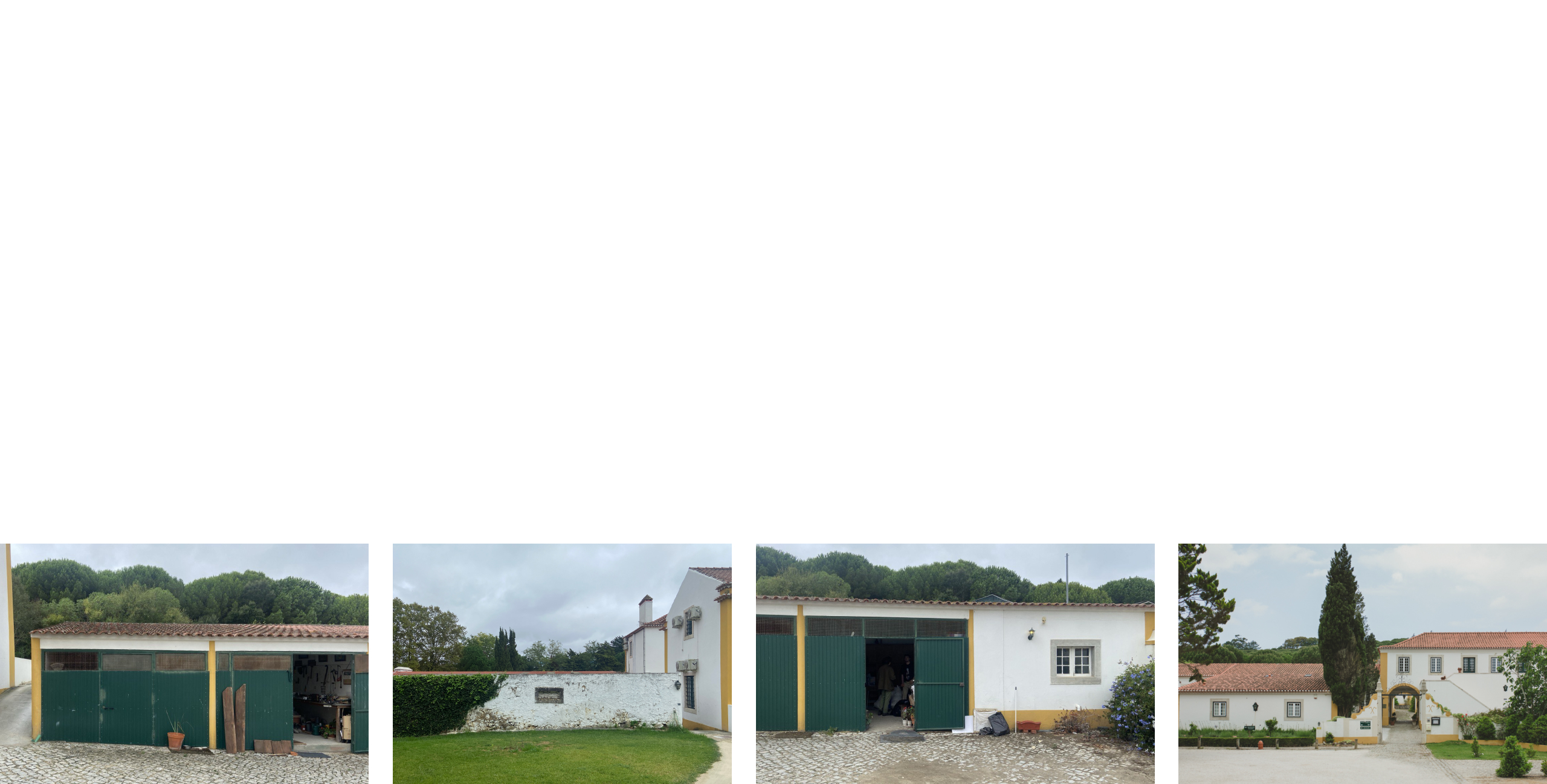
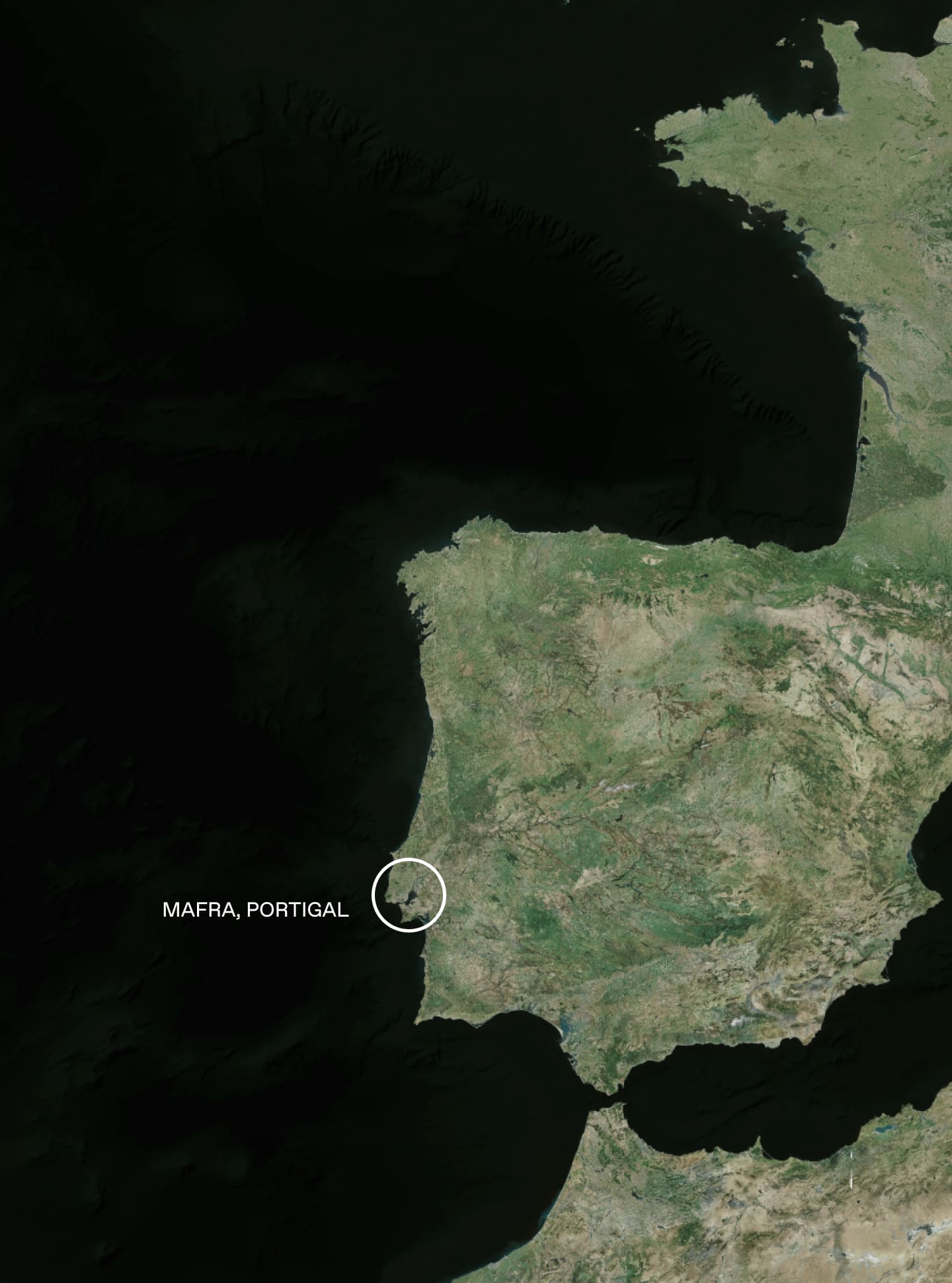
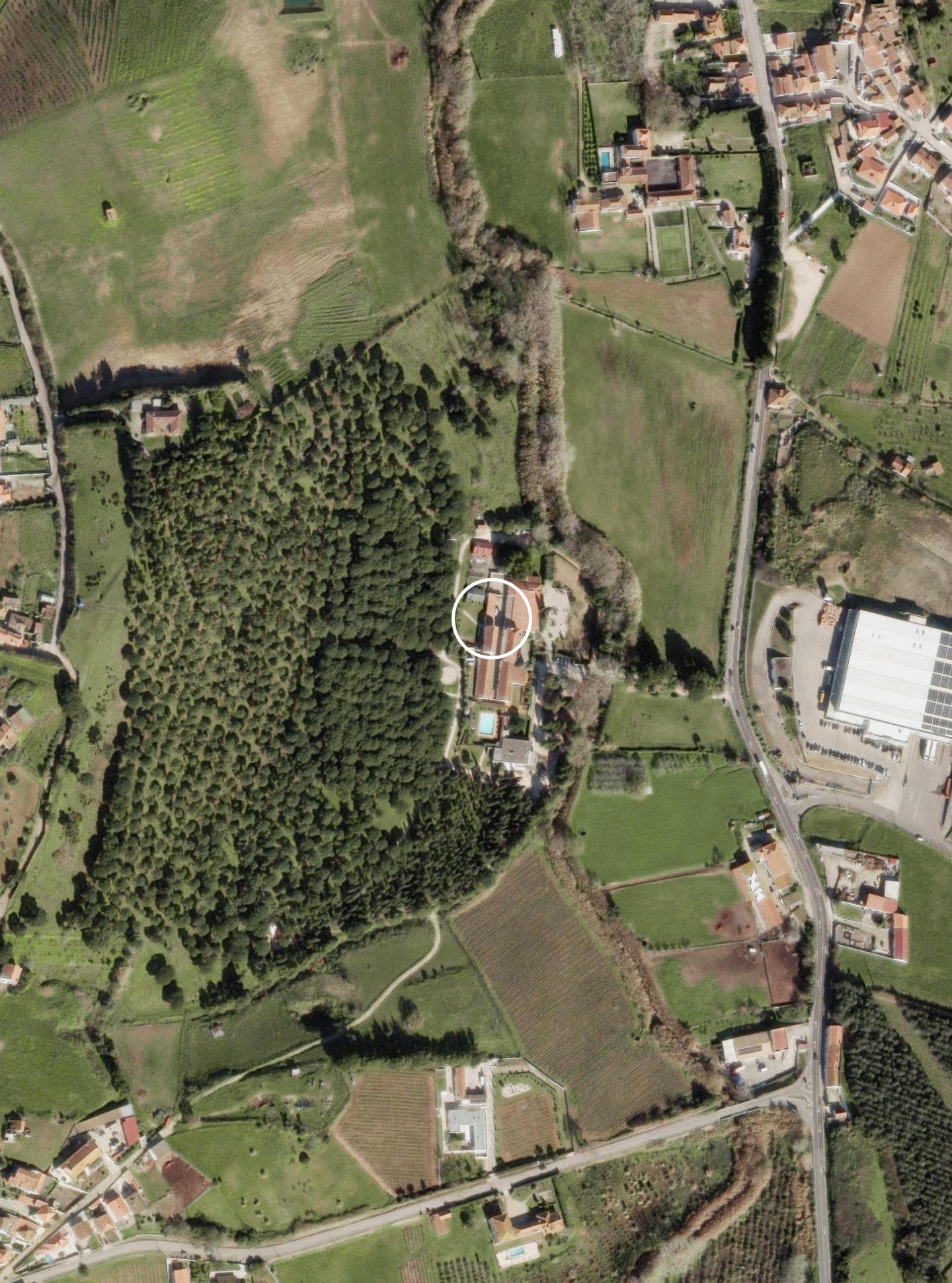
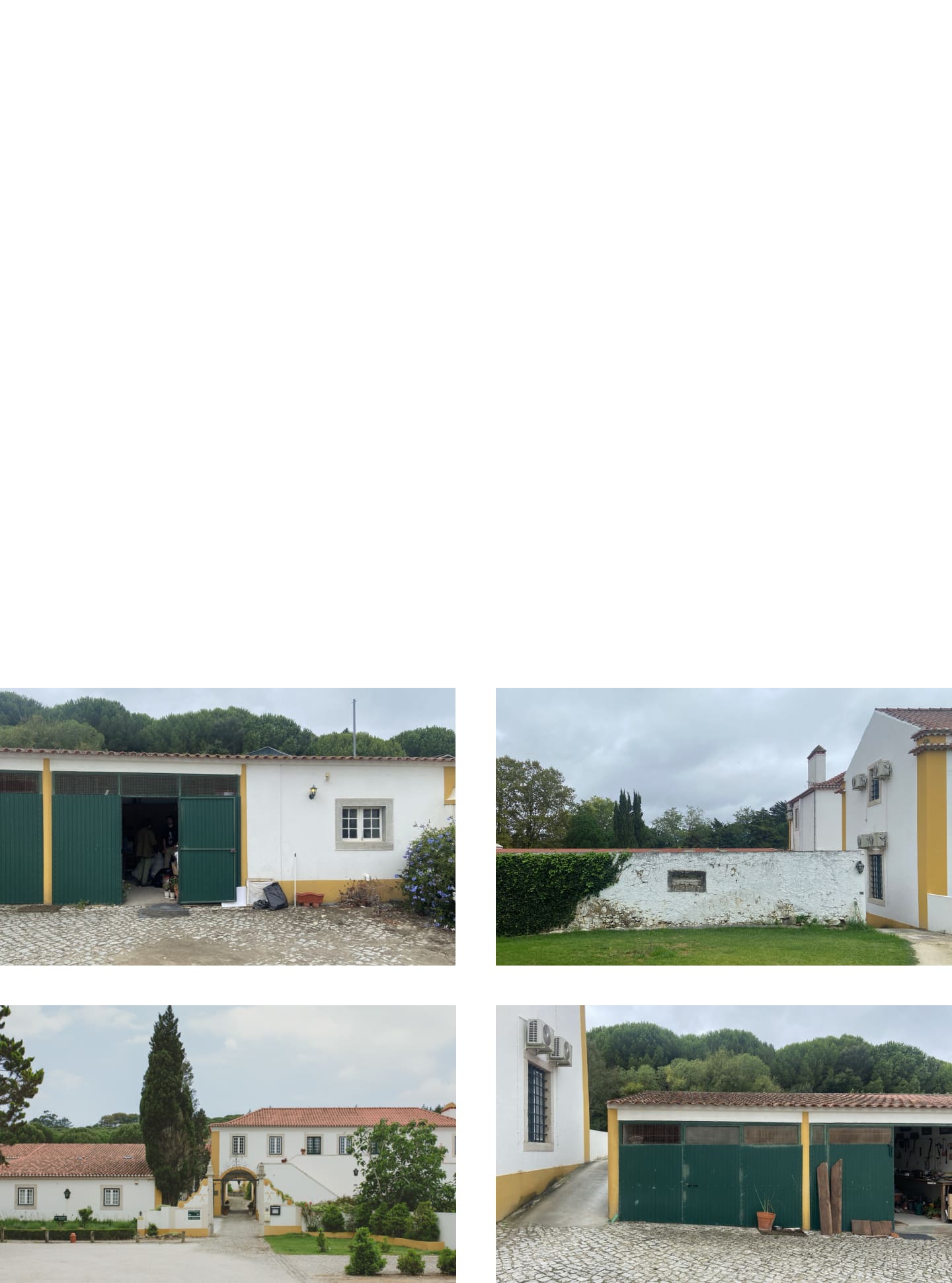
Near Lisbon, we are engaged in the adaptive transformation of a historic quinta, recently acquired by new owners who envision its reinvention as a contemporary hospitality destination. The project unfolds through a strategy of incremental and reversible interventions, privileging reuse over replacement and treating the site as an evolving cultural landscape rather than a fixed architectural object.
The transformation proceeds through a sequence of small-scale adaptations: the installation of a pilot bakery in a former workshop and laundry; the conversion of office spaces into a breakfast restaurant; the temporary reuse of a disused dining hall; and future steps that may emerge through continued occupation. Each stage is conceived not only as a programmatic adjustment, but as a way of revealing and rearticulating the layered histories of the site while opening new possibilities for its future.
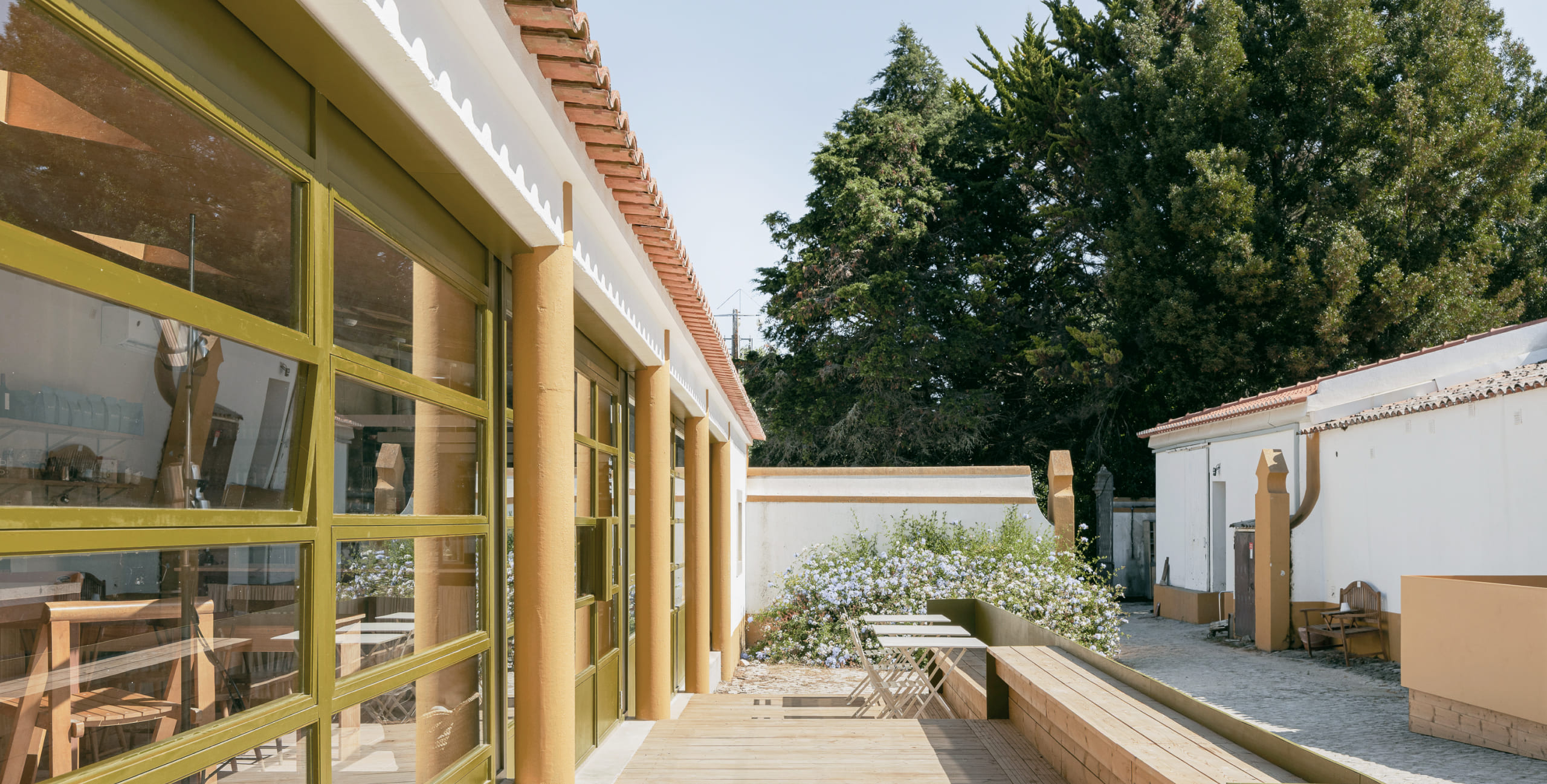
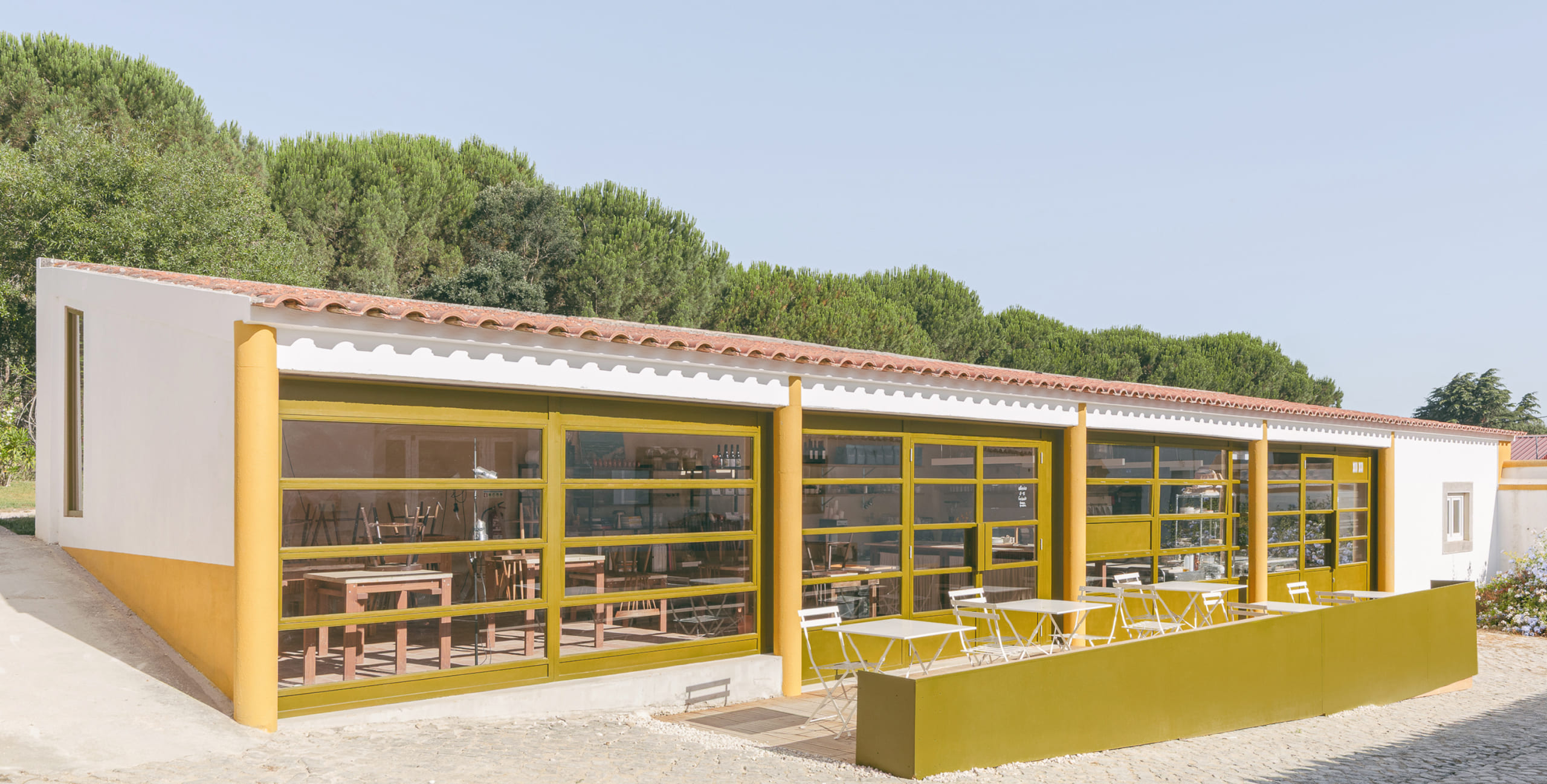
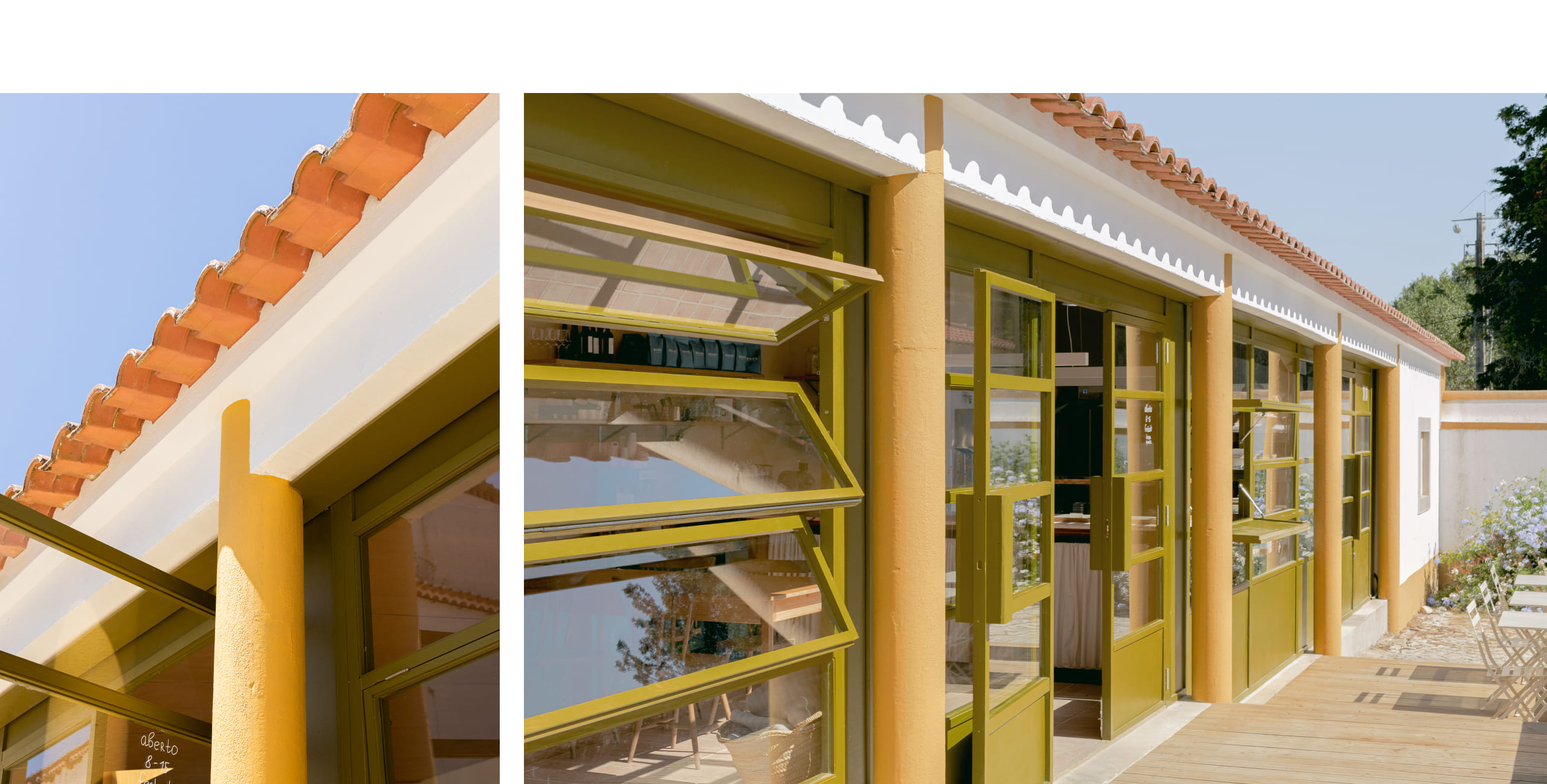
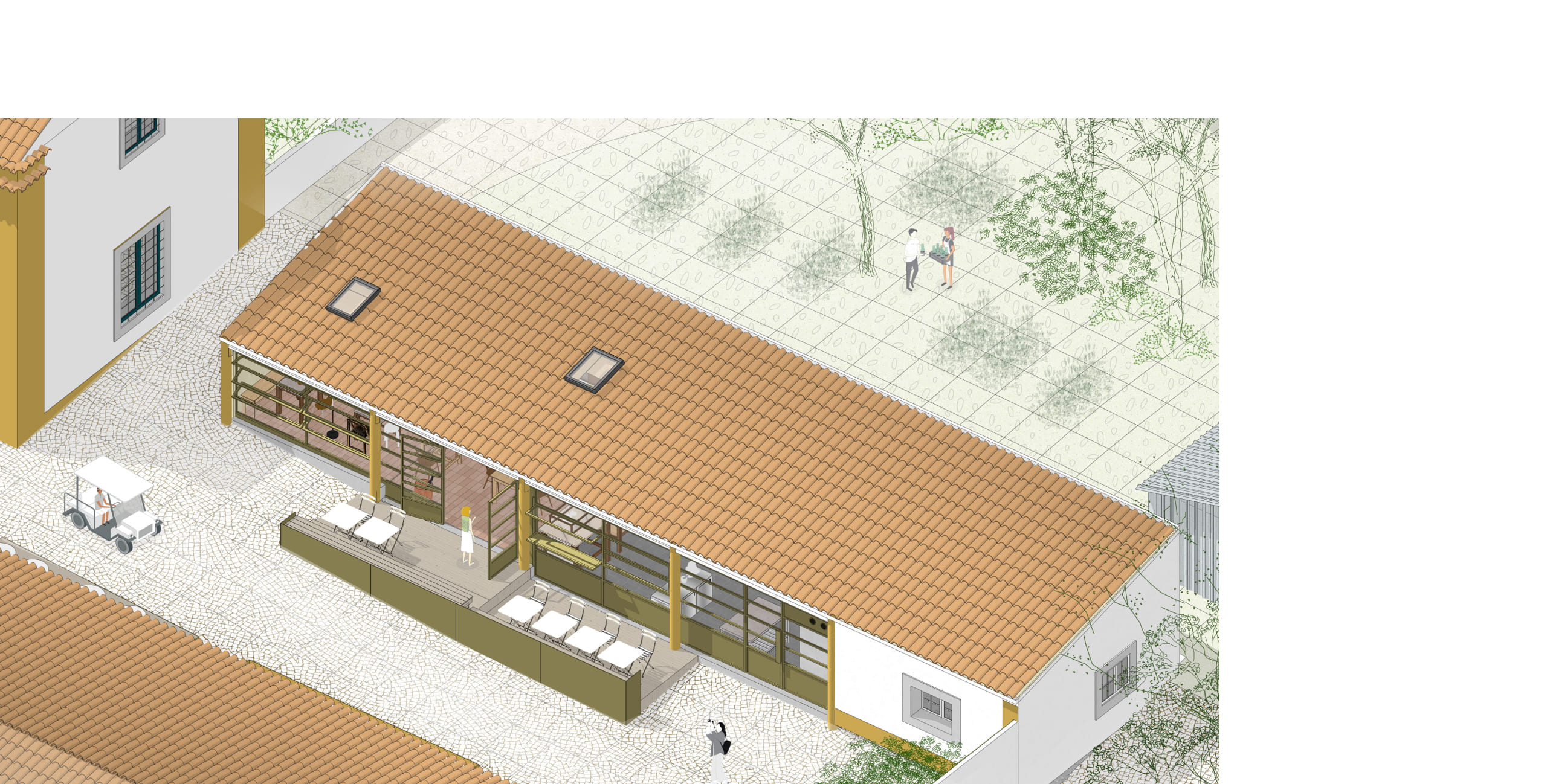
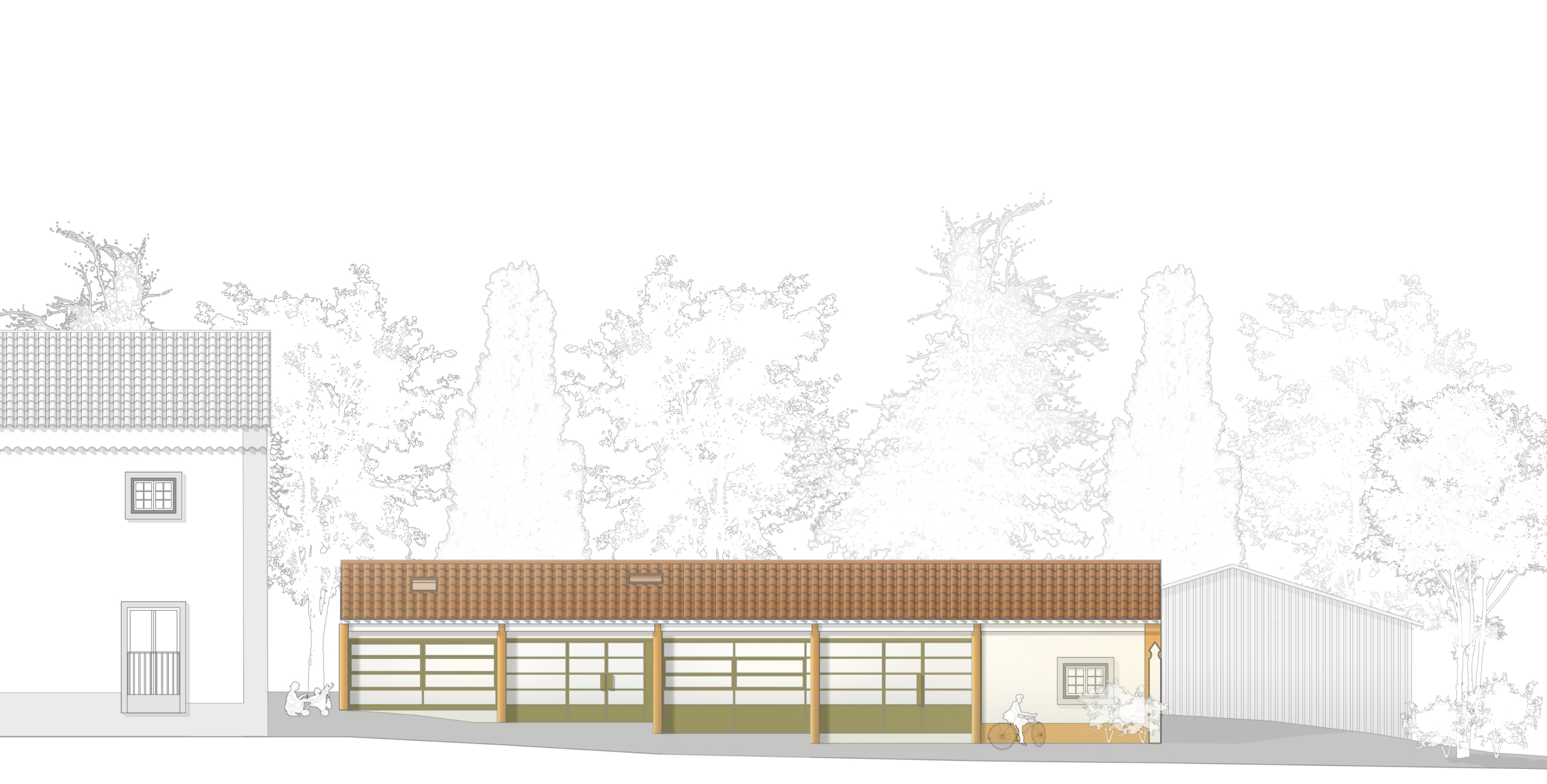
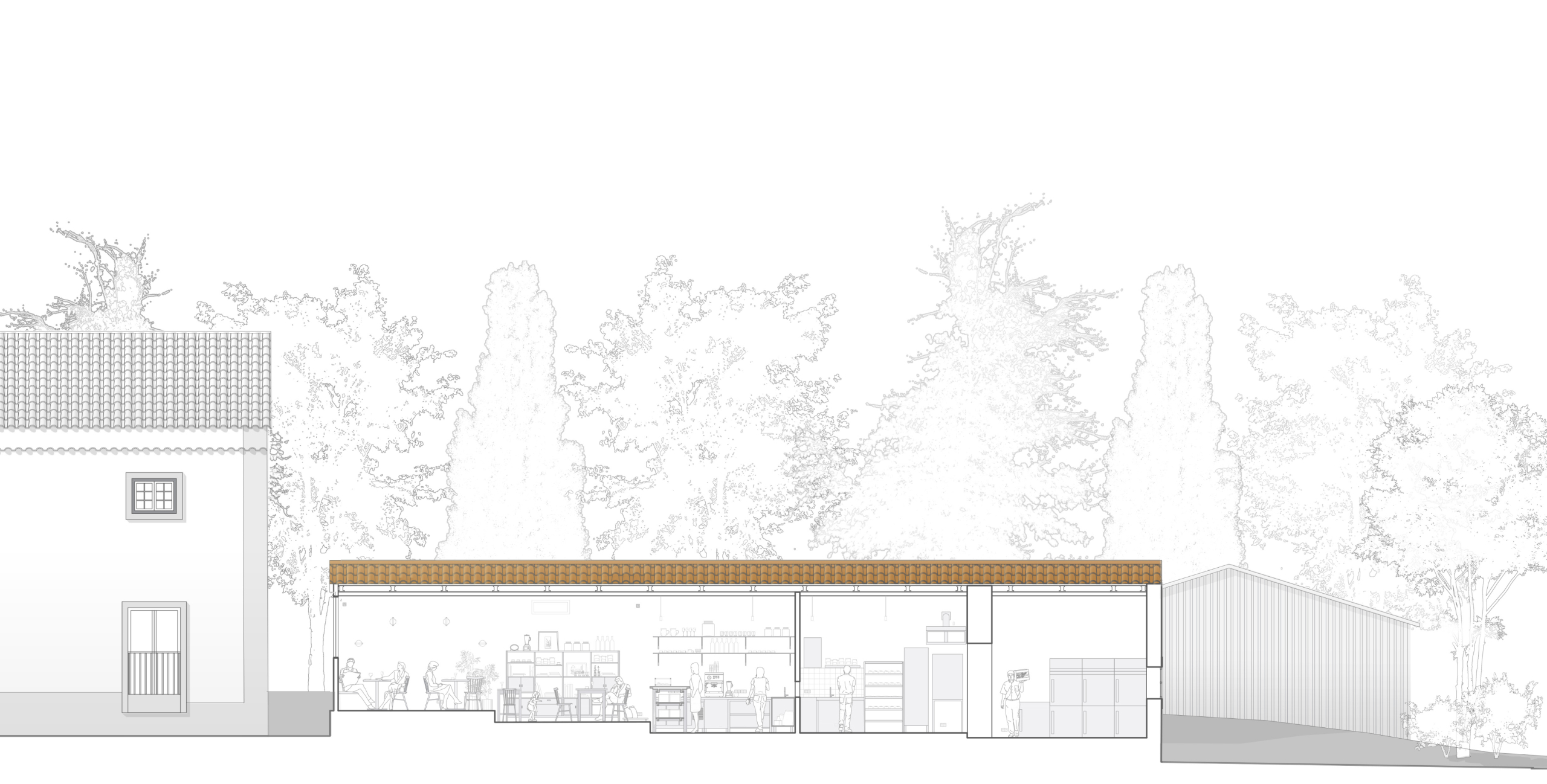
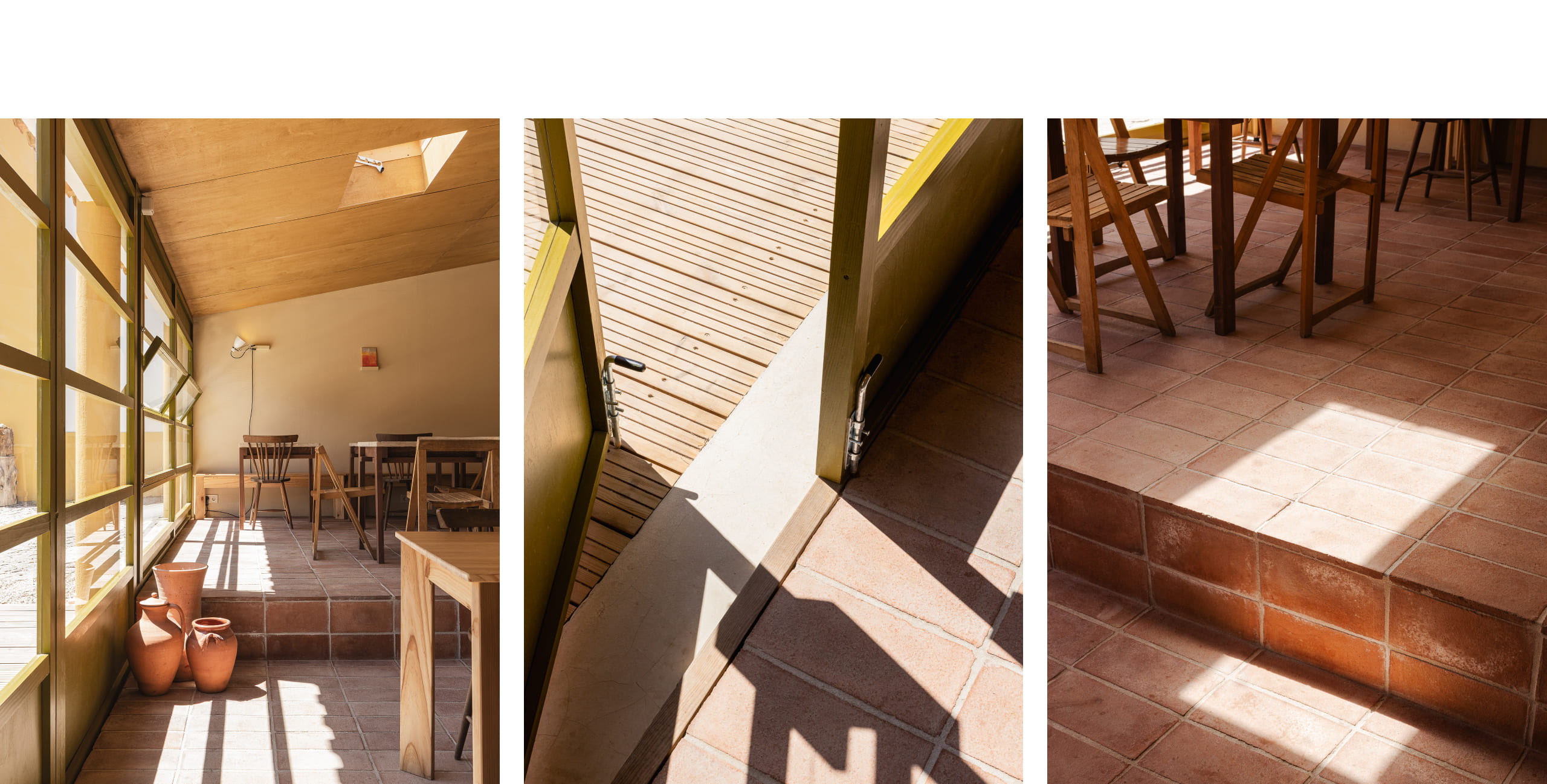
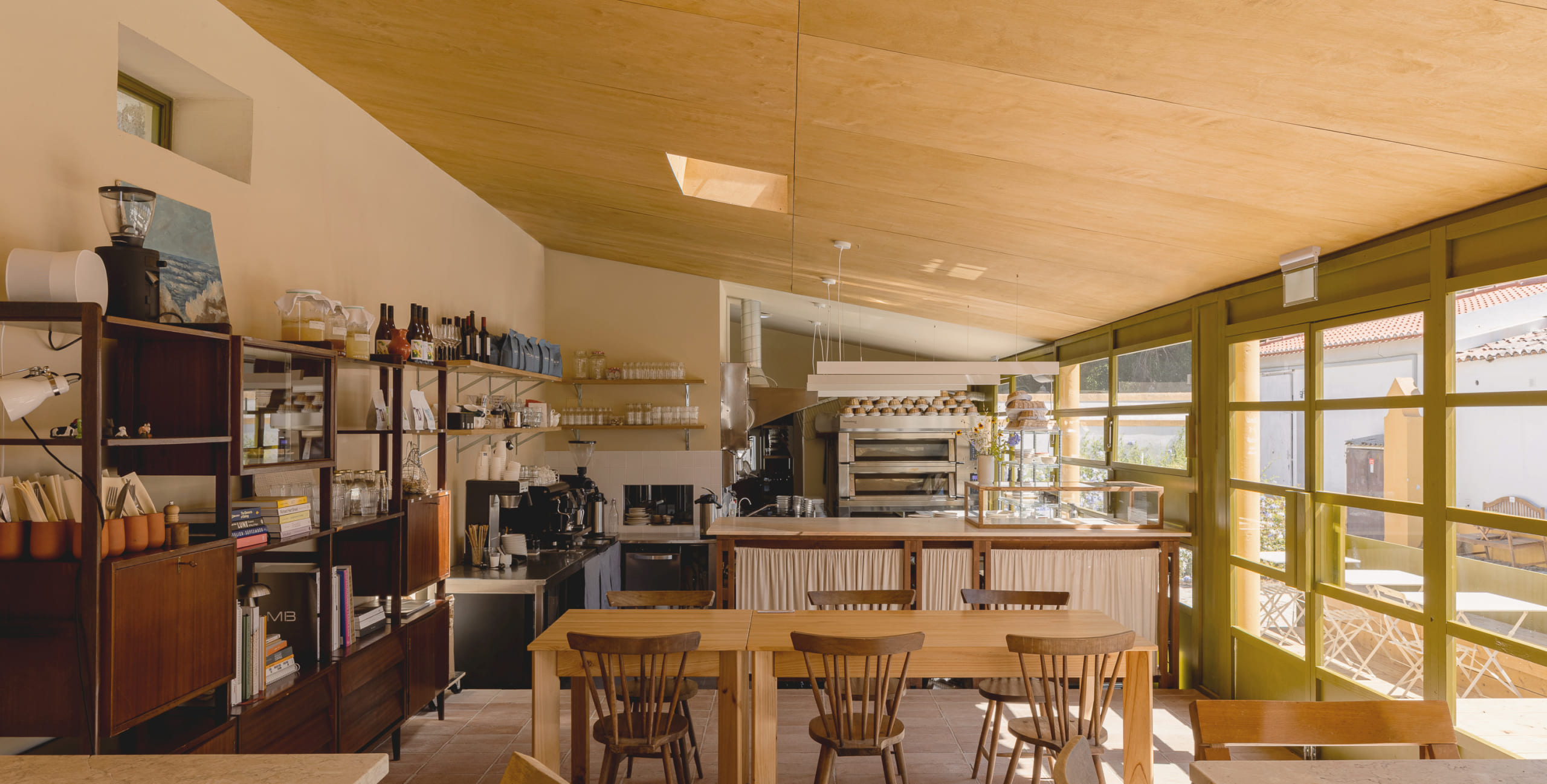
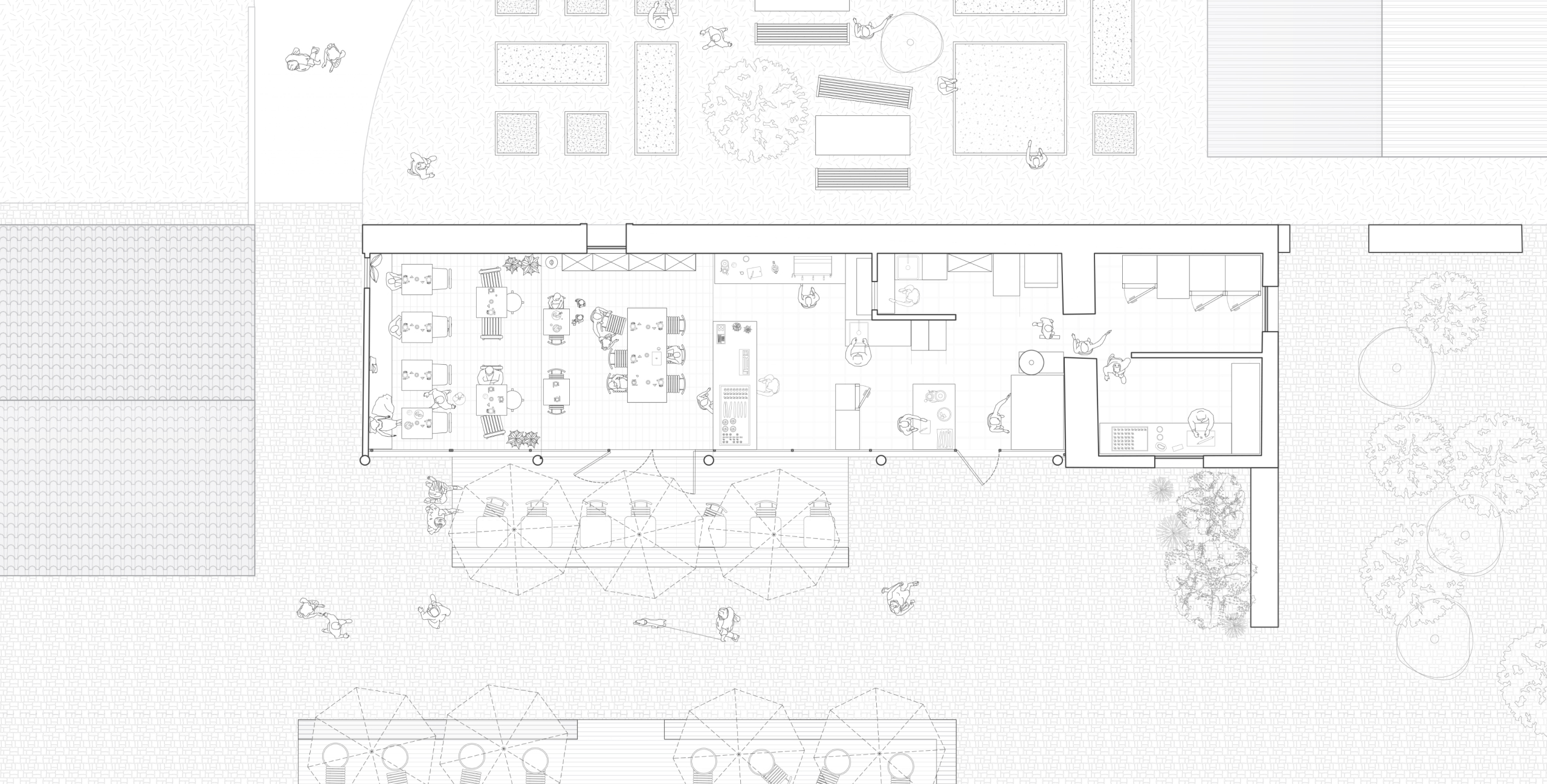
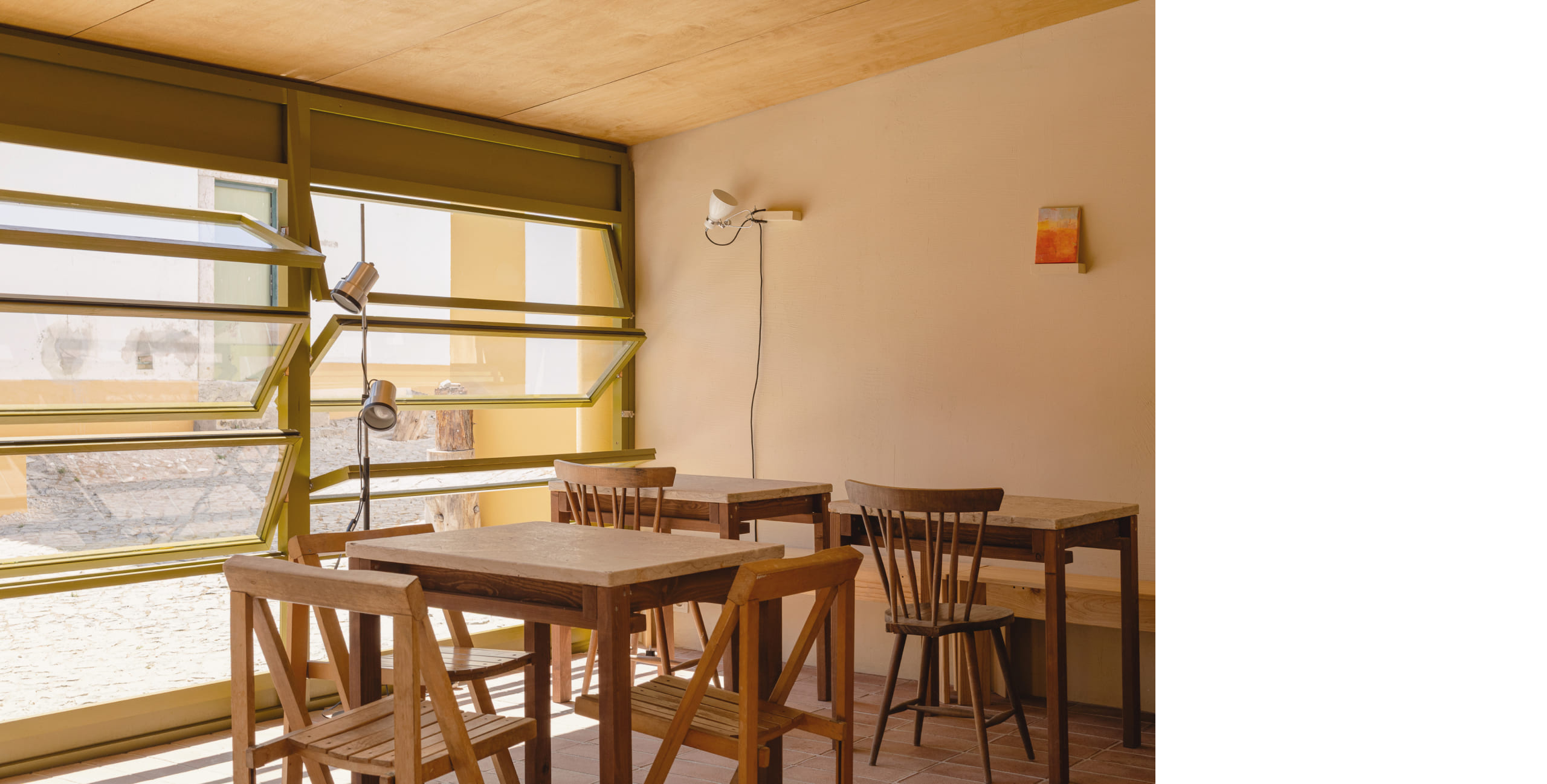
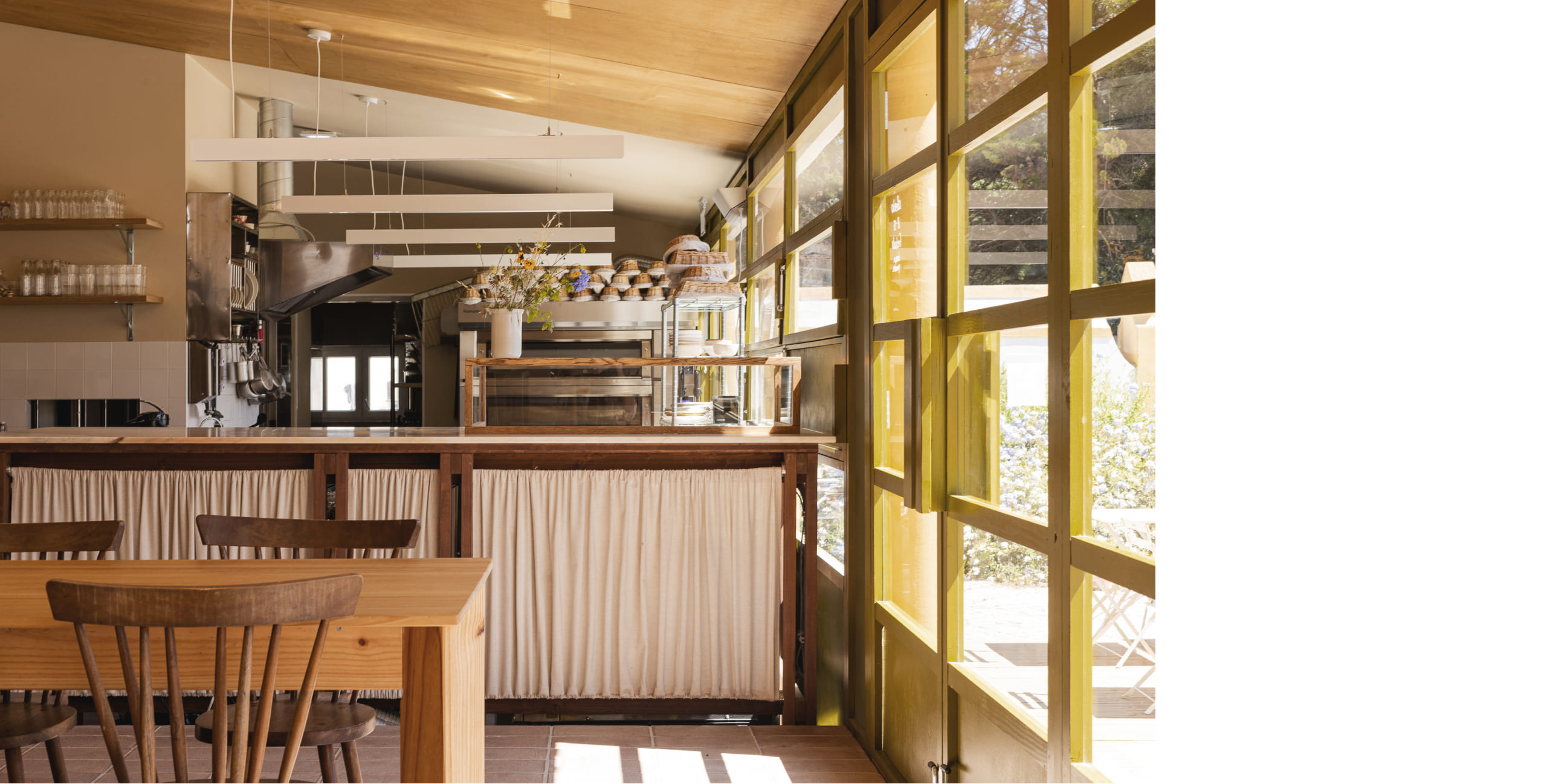
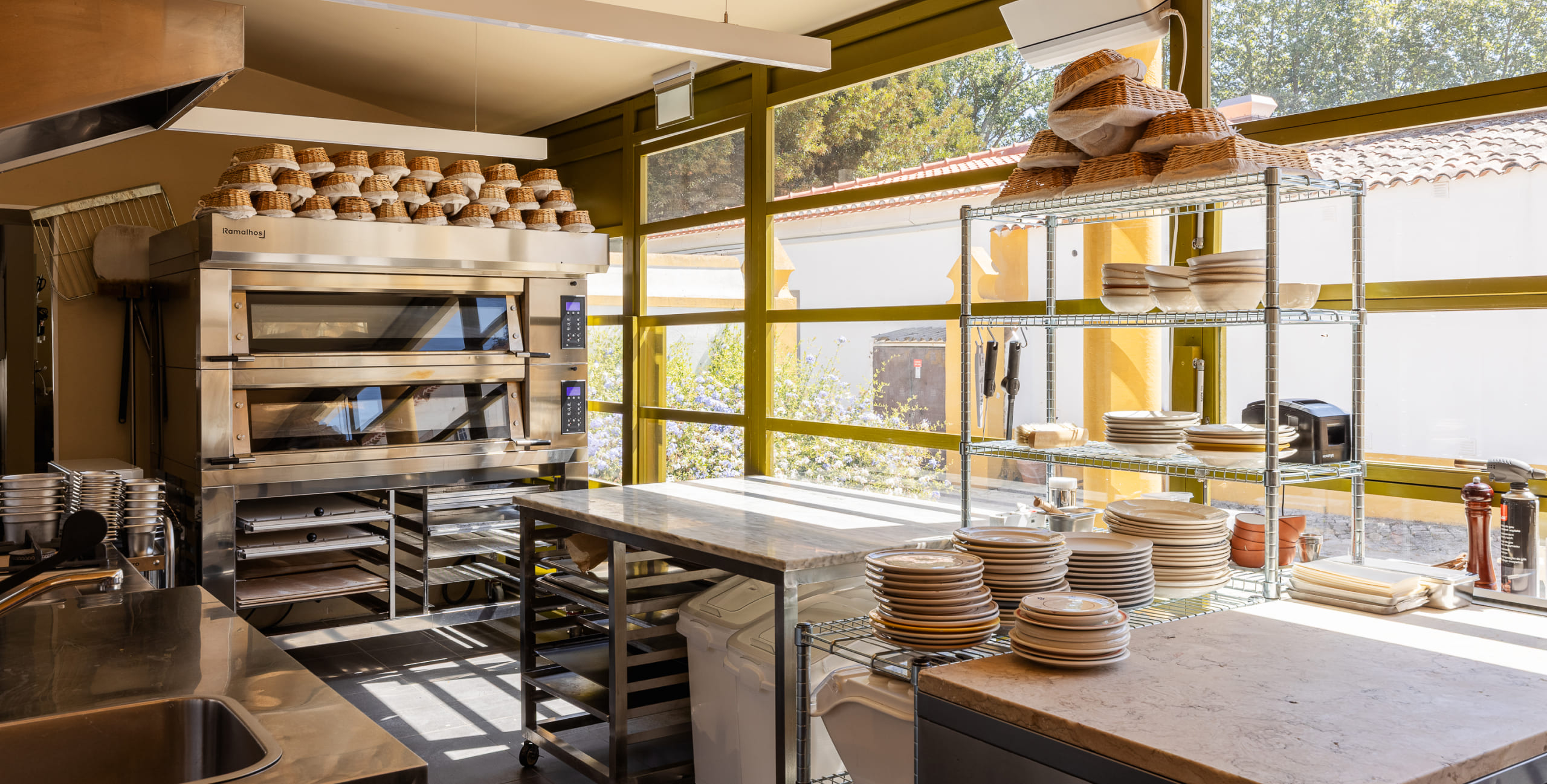
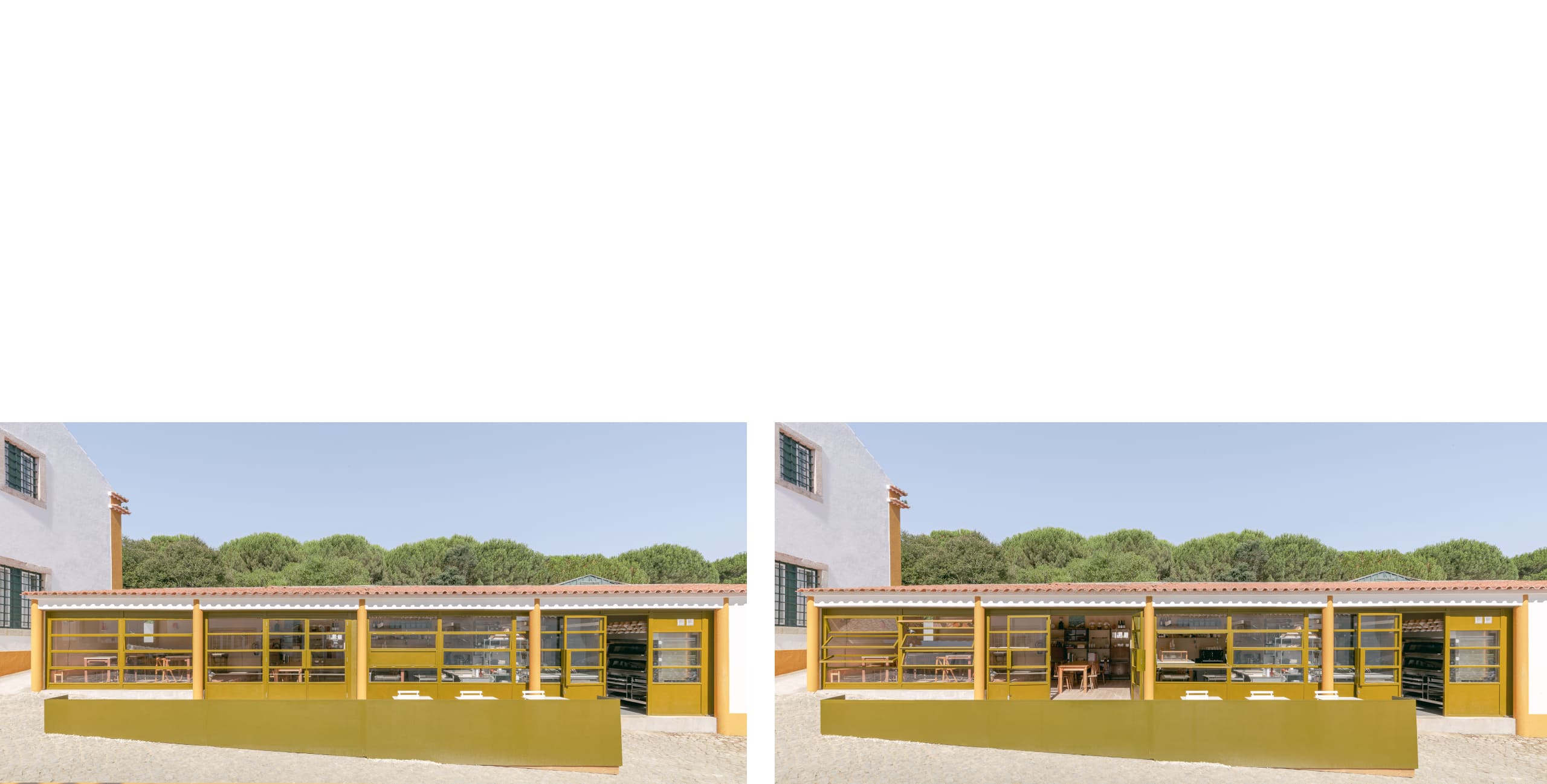
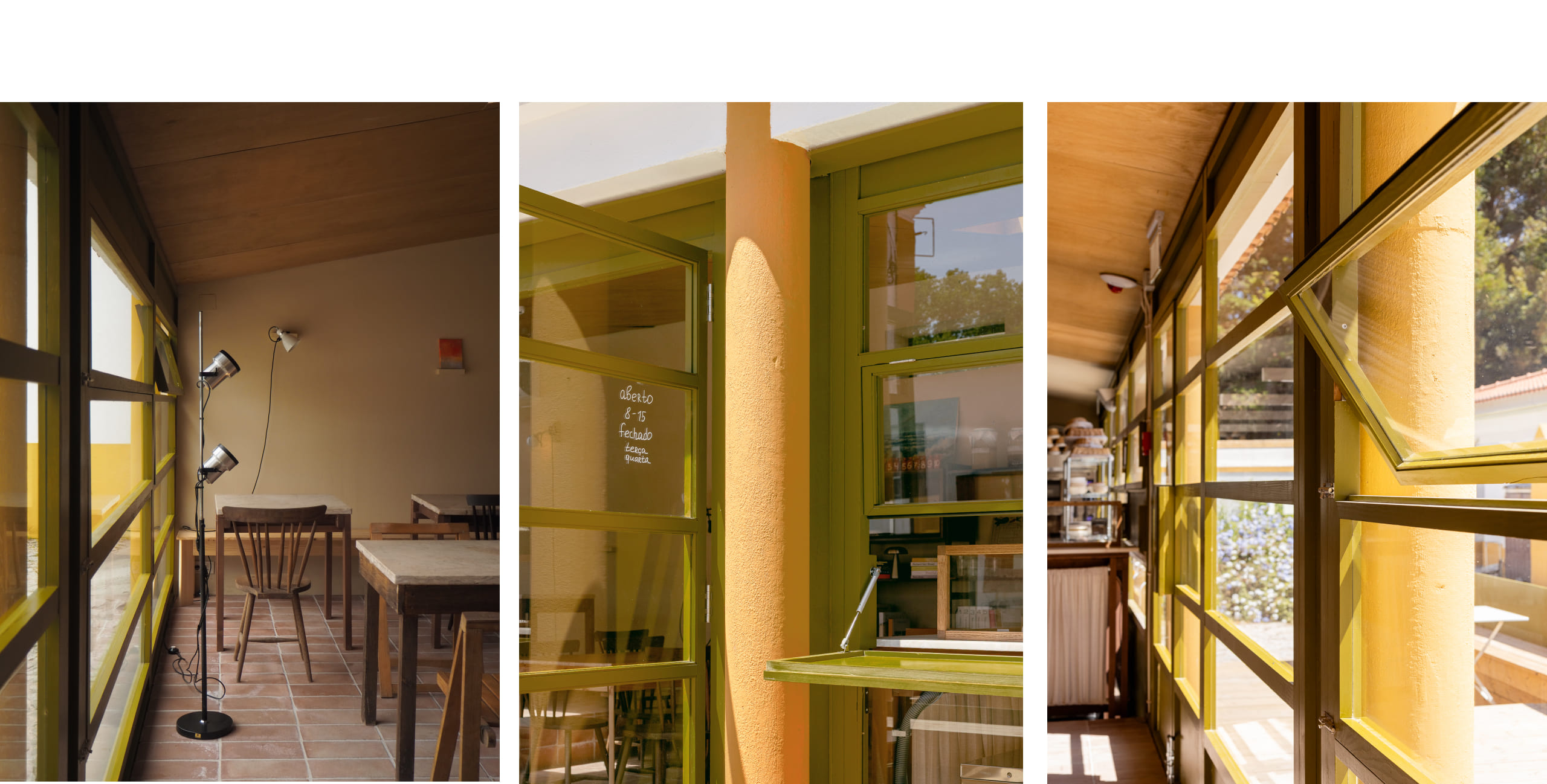
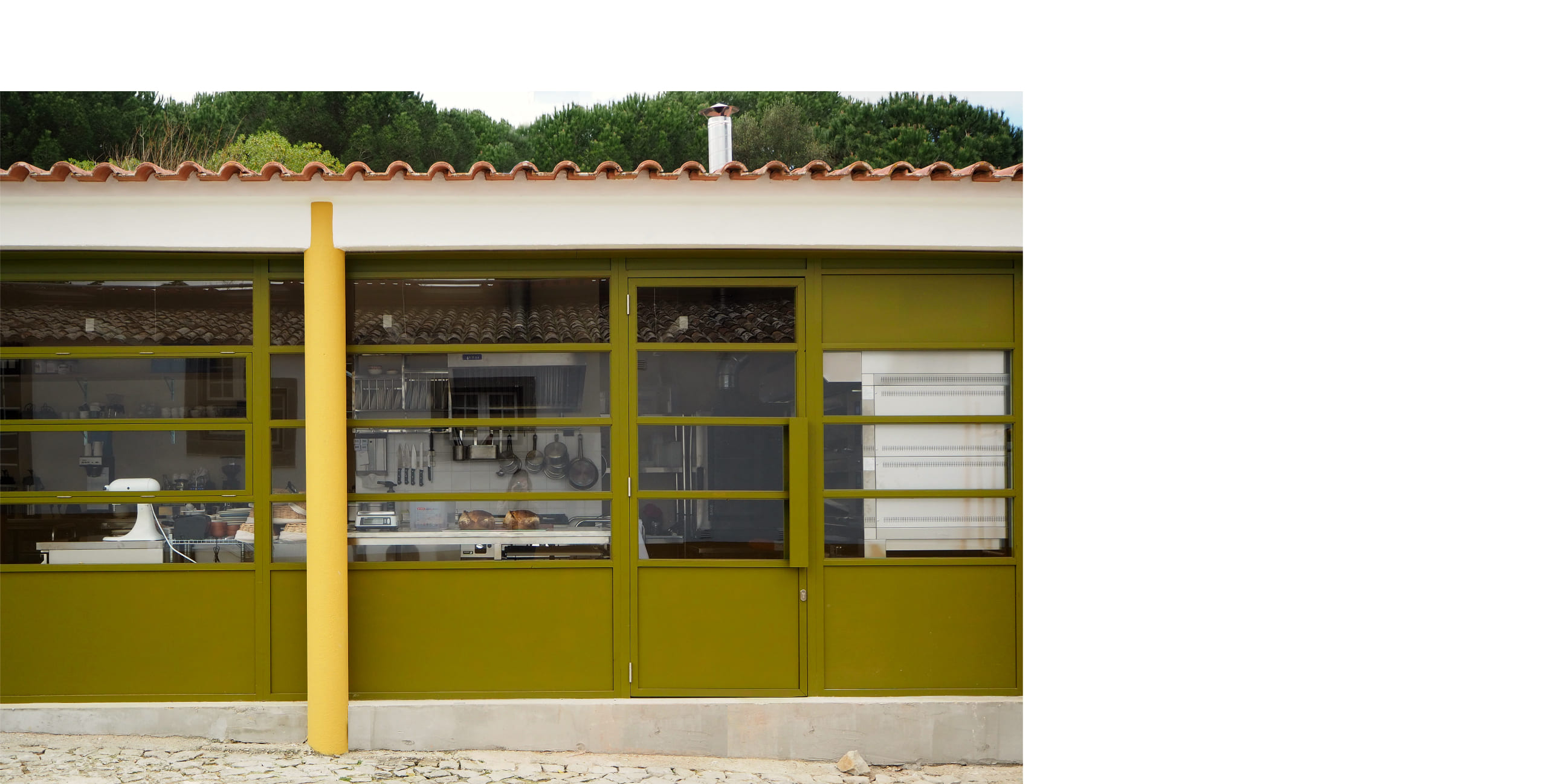
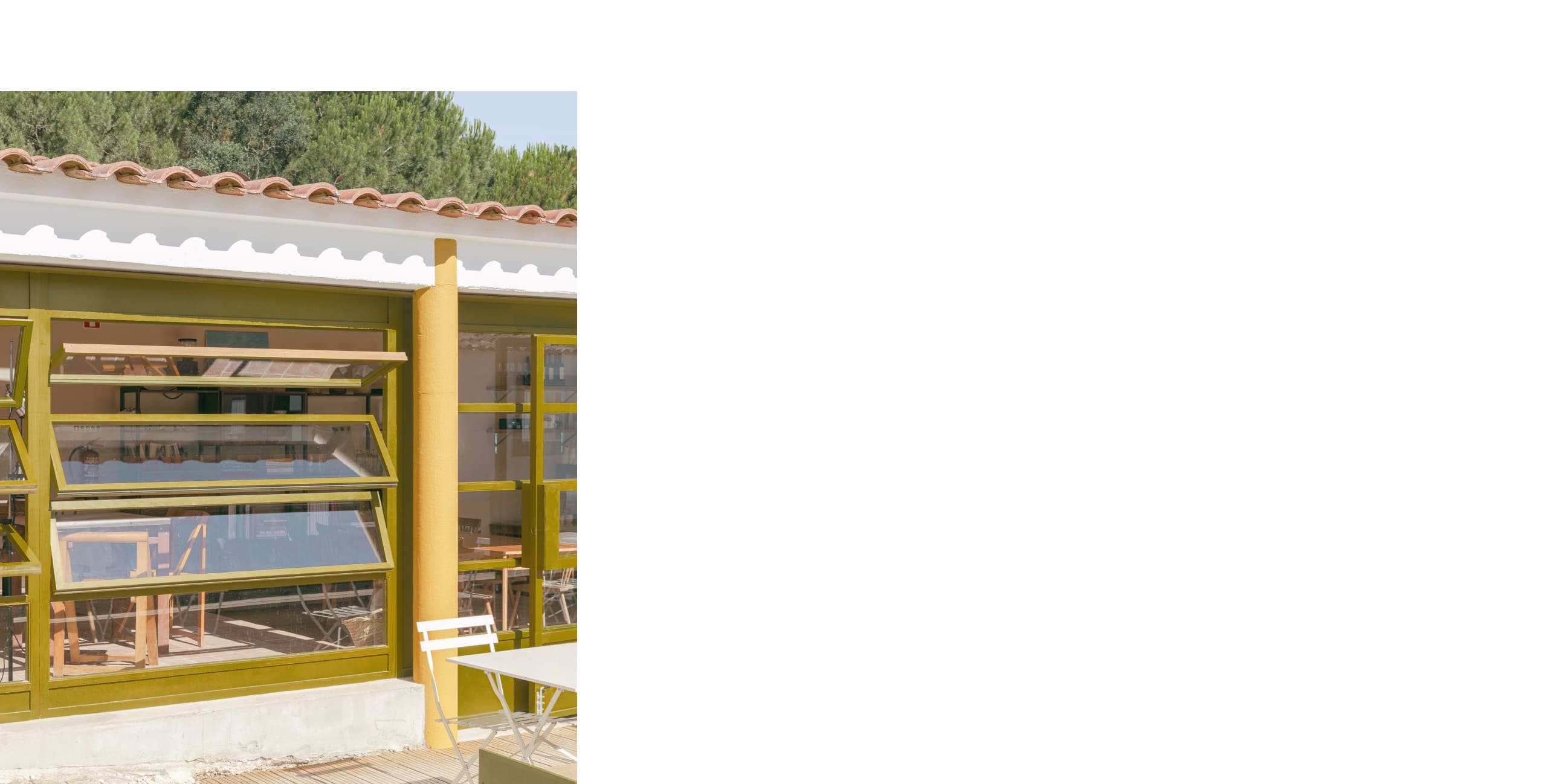
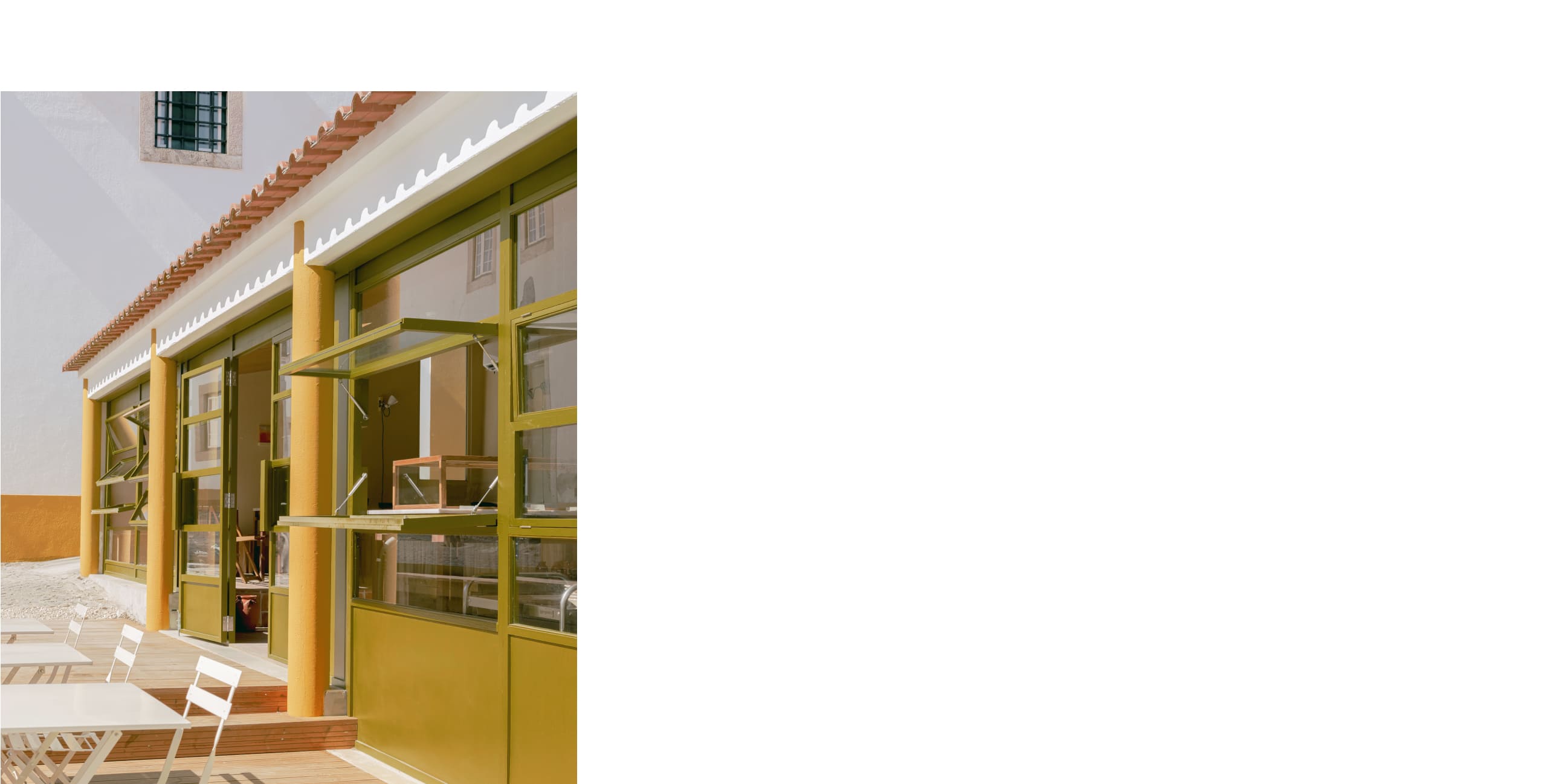
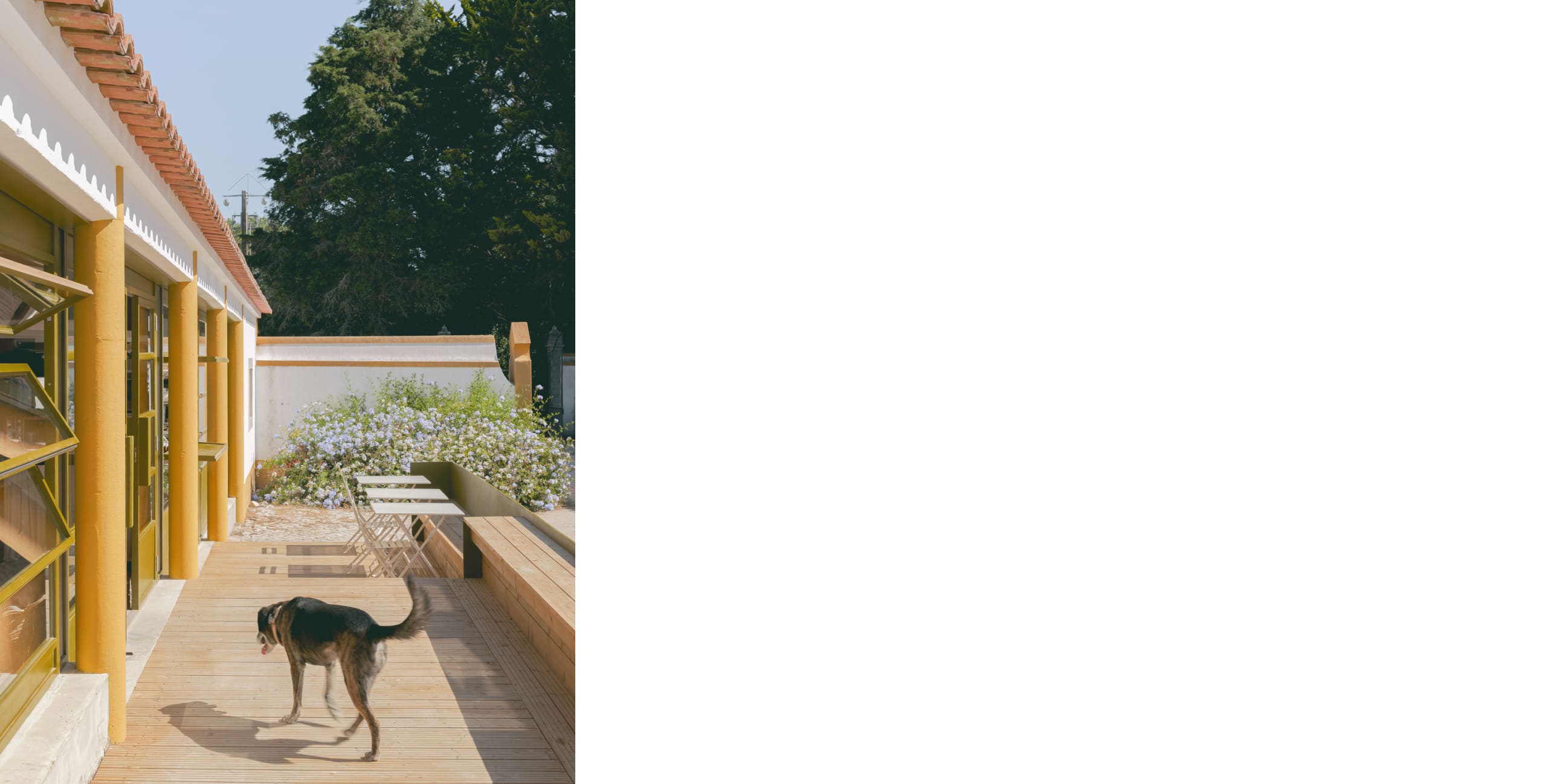
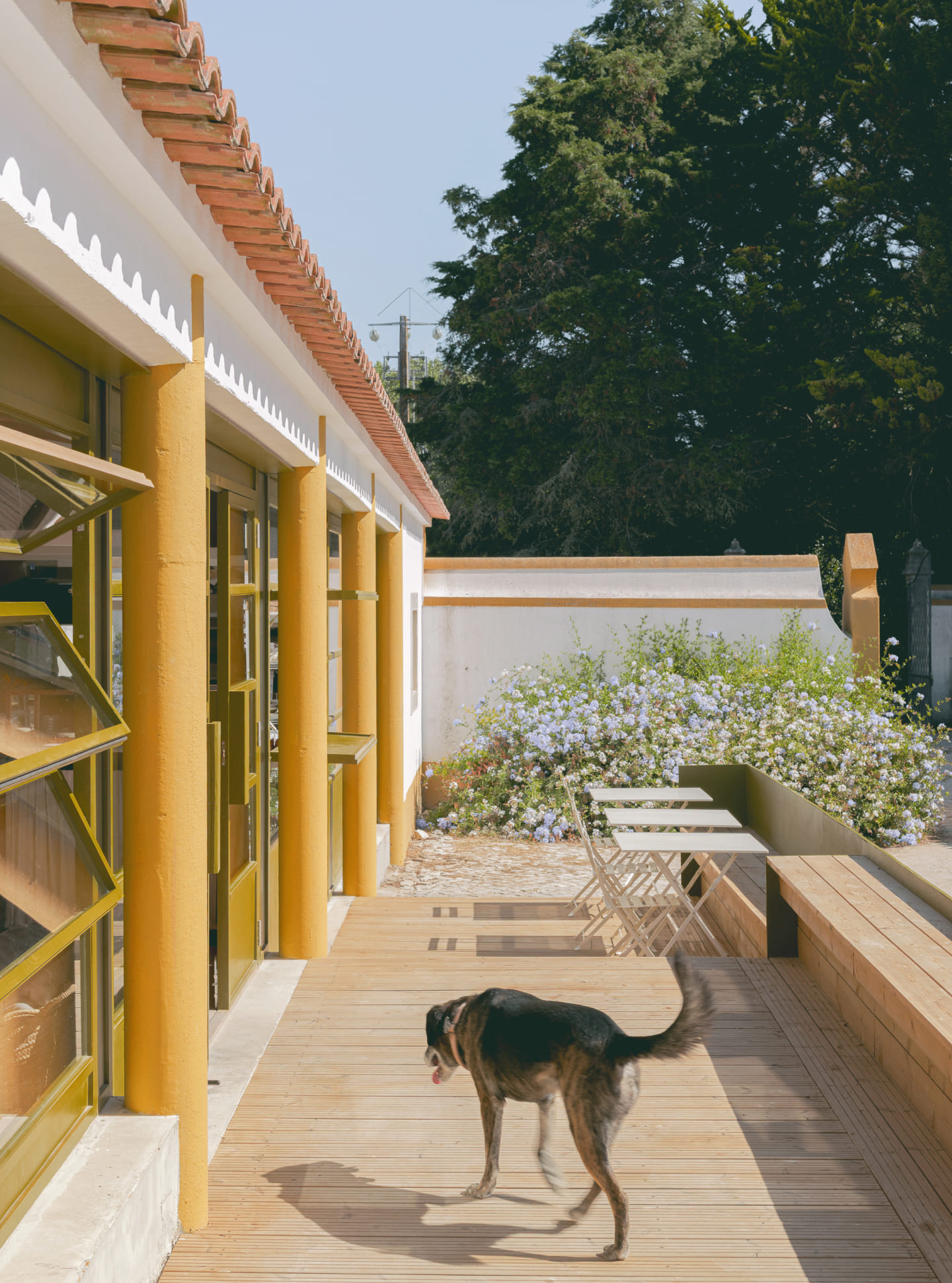
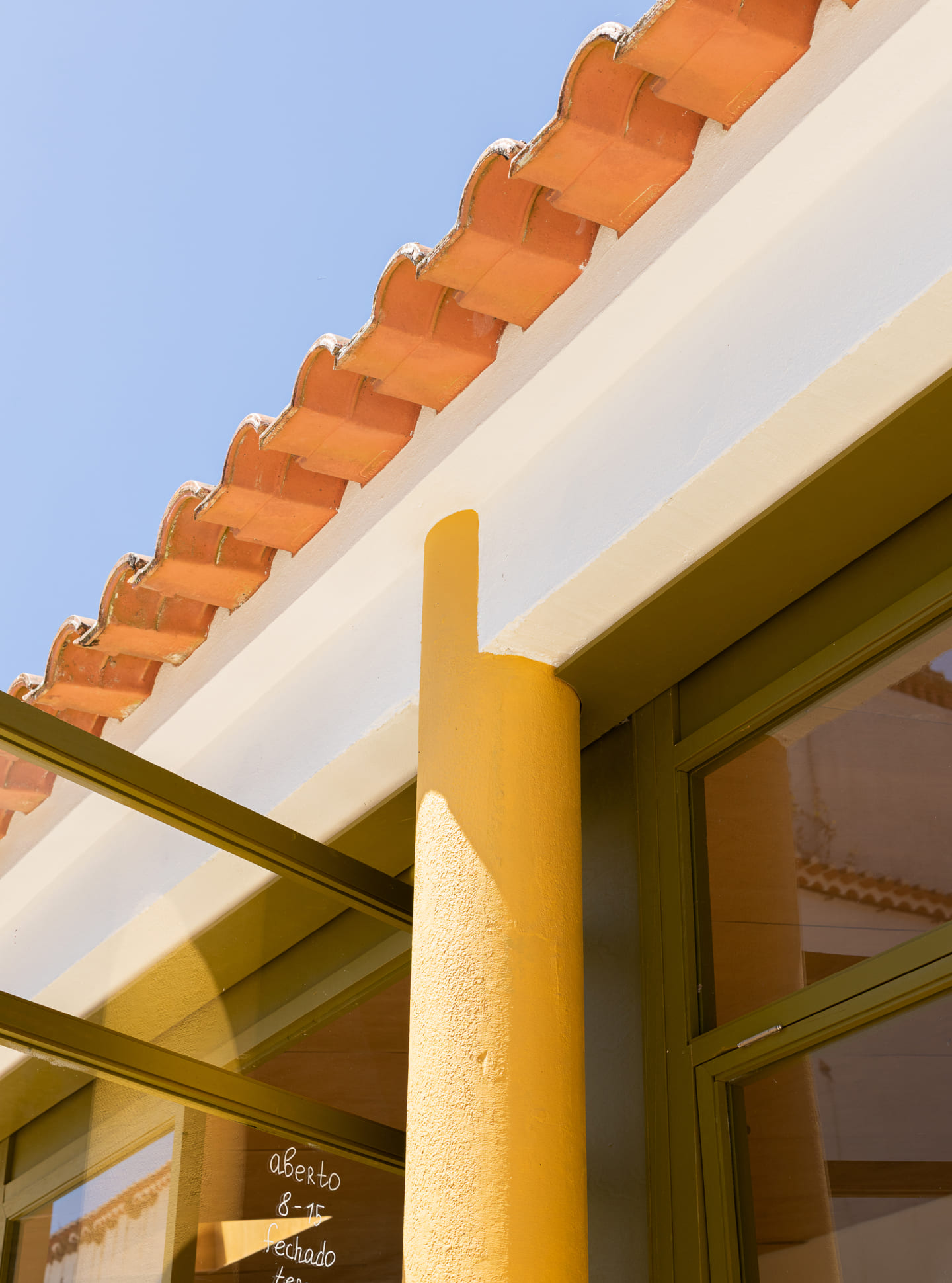
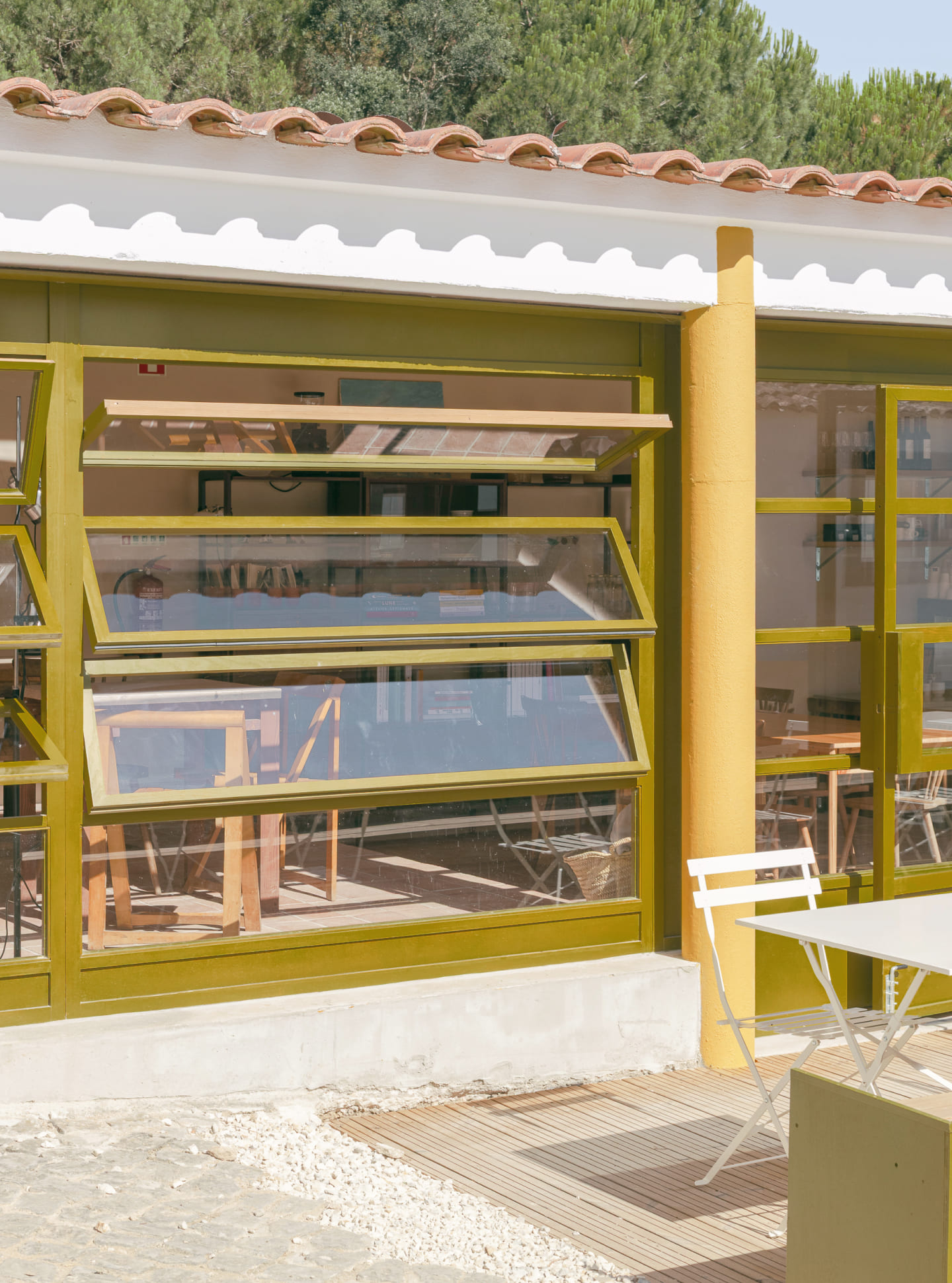
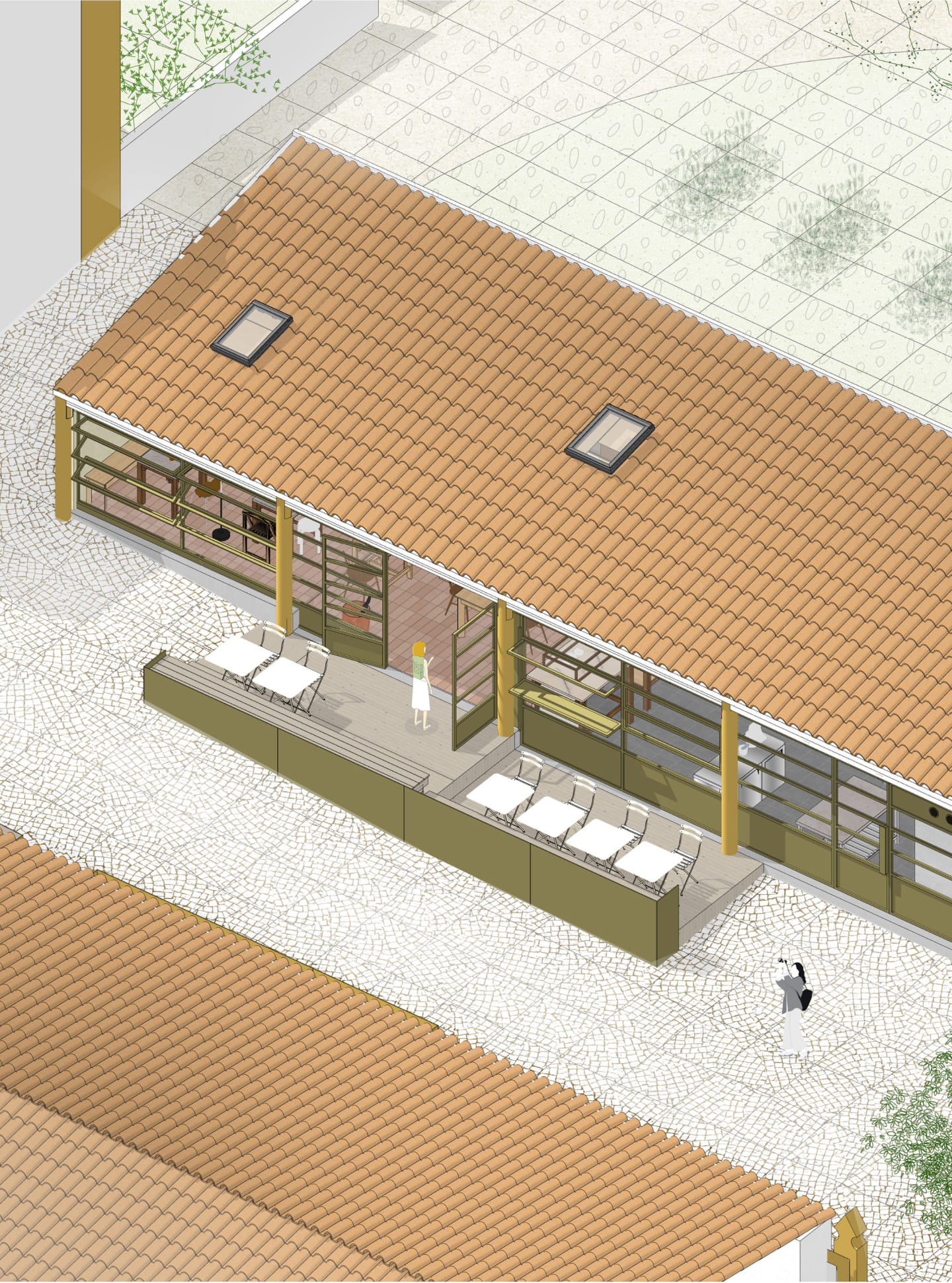
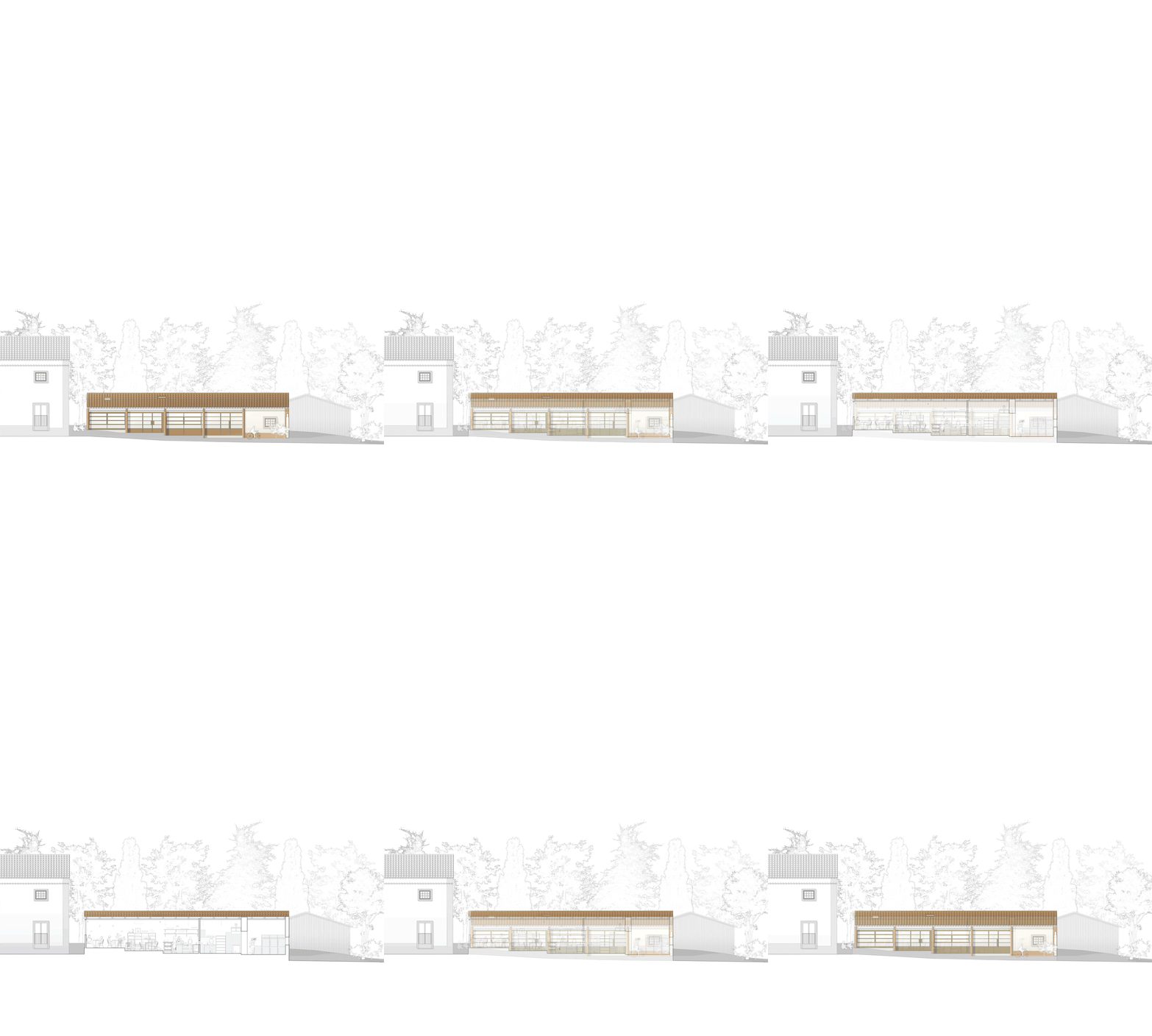
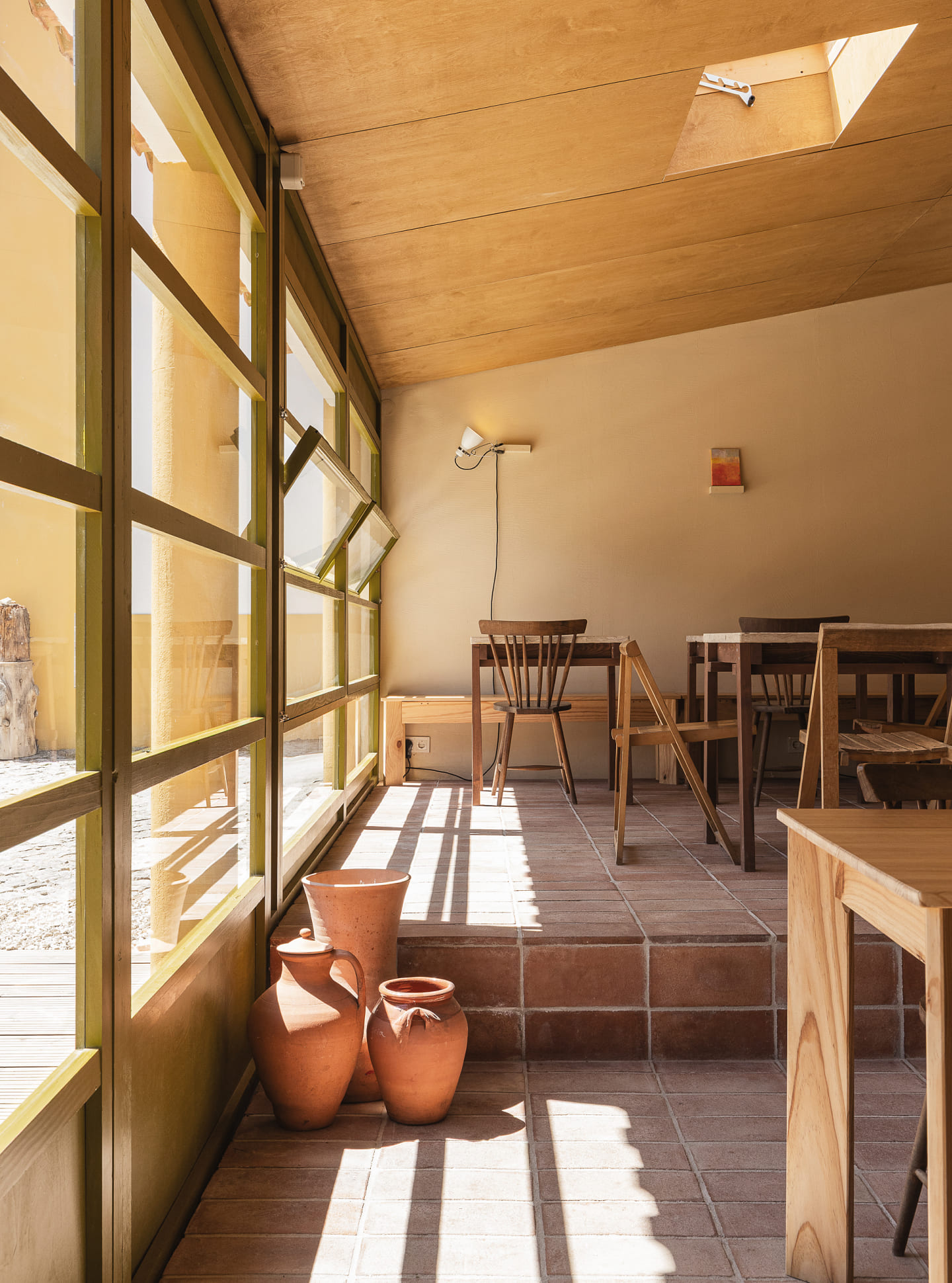
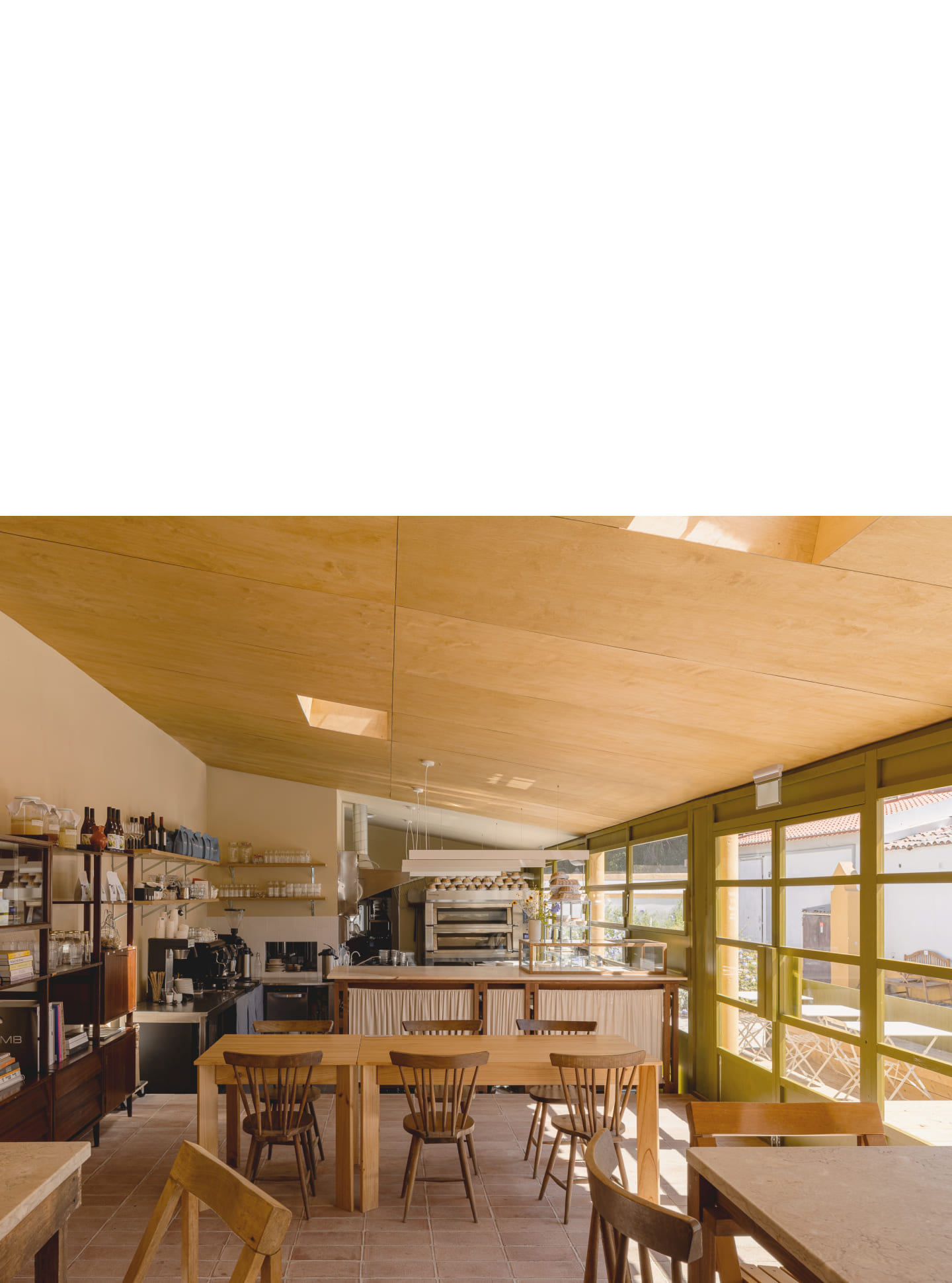
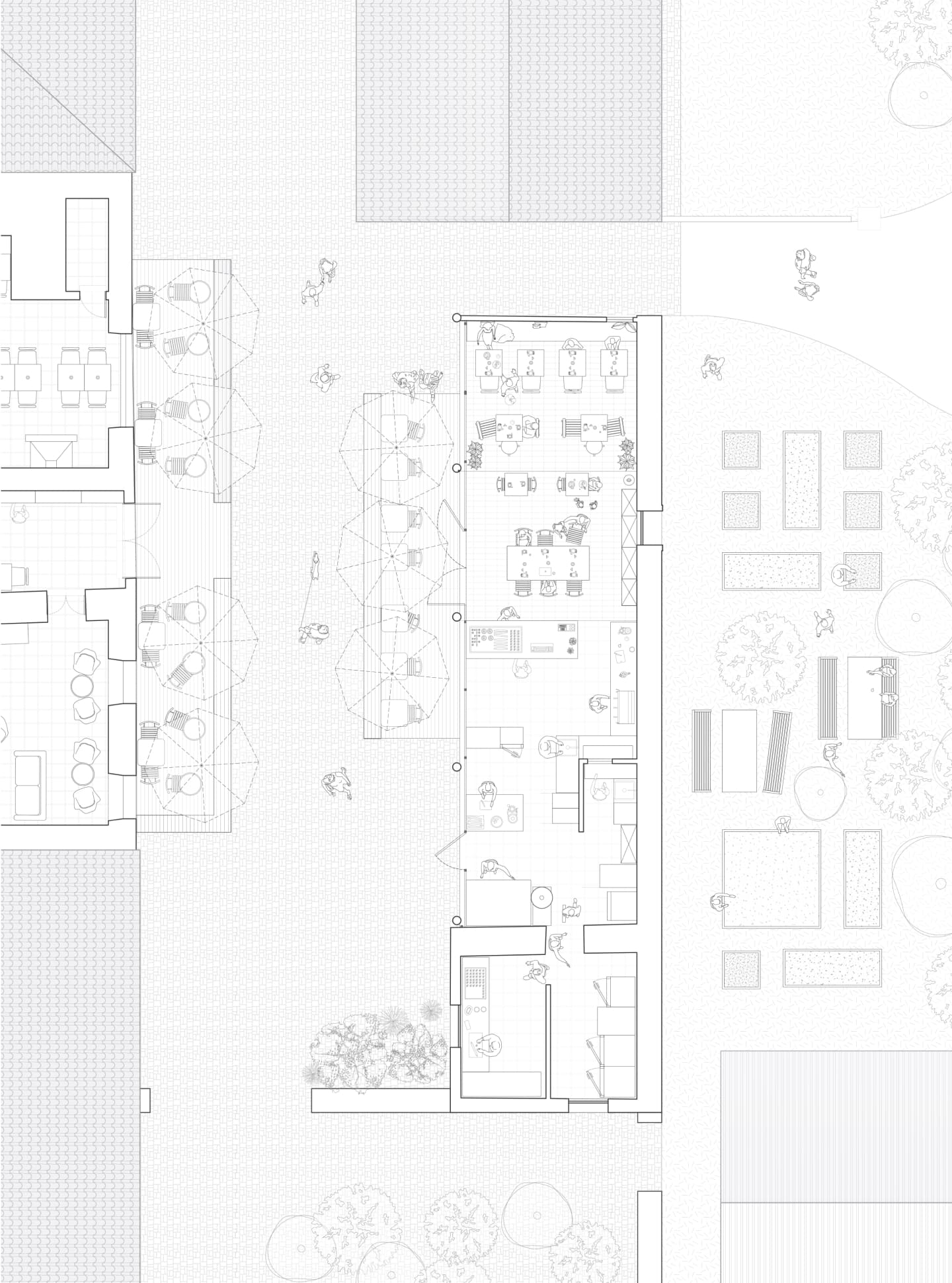
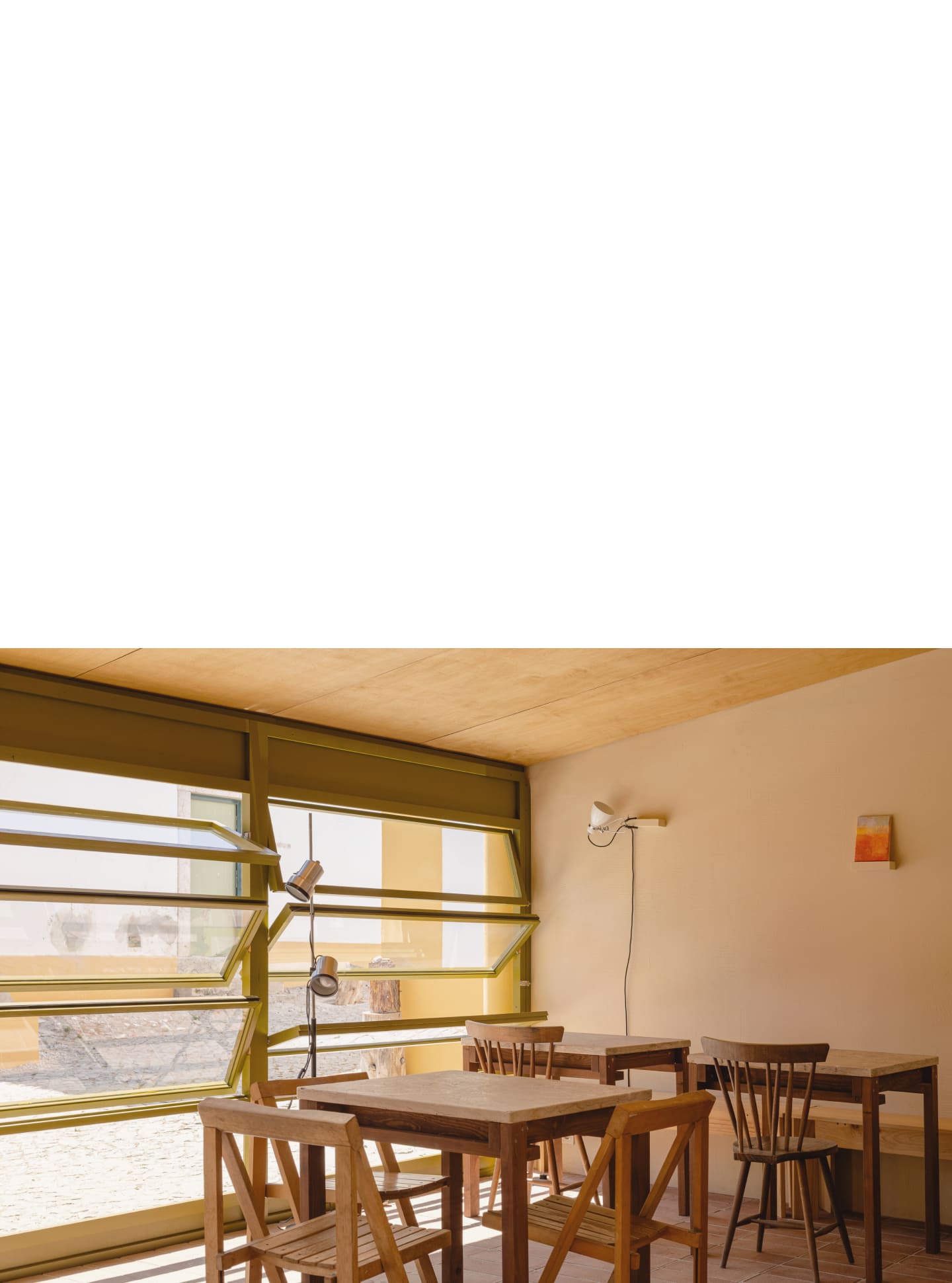
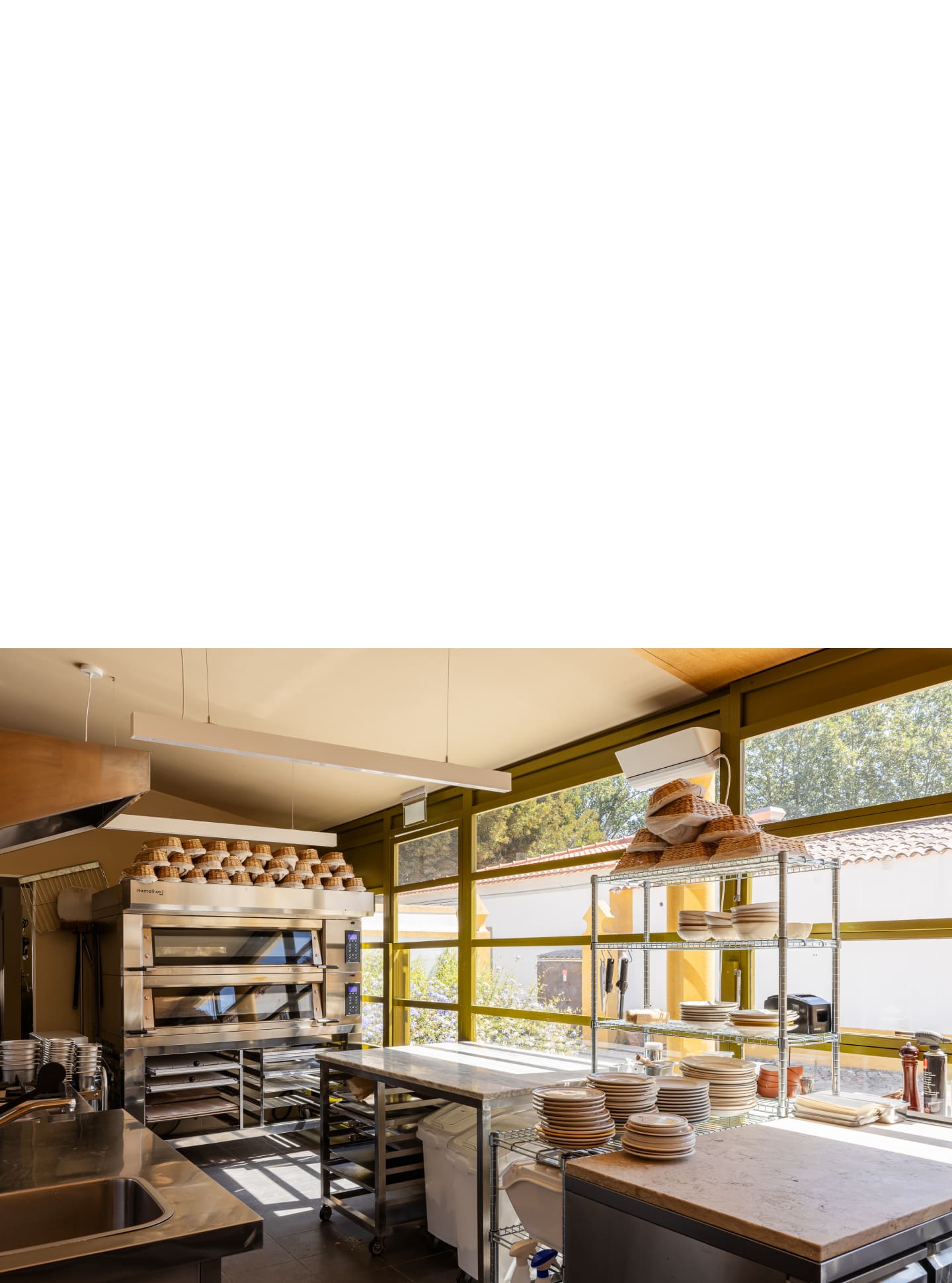
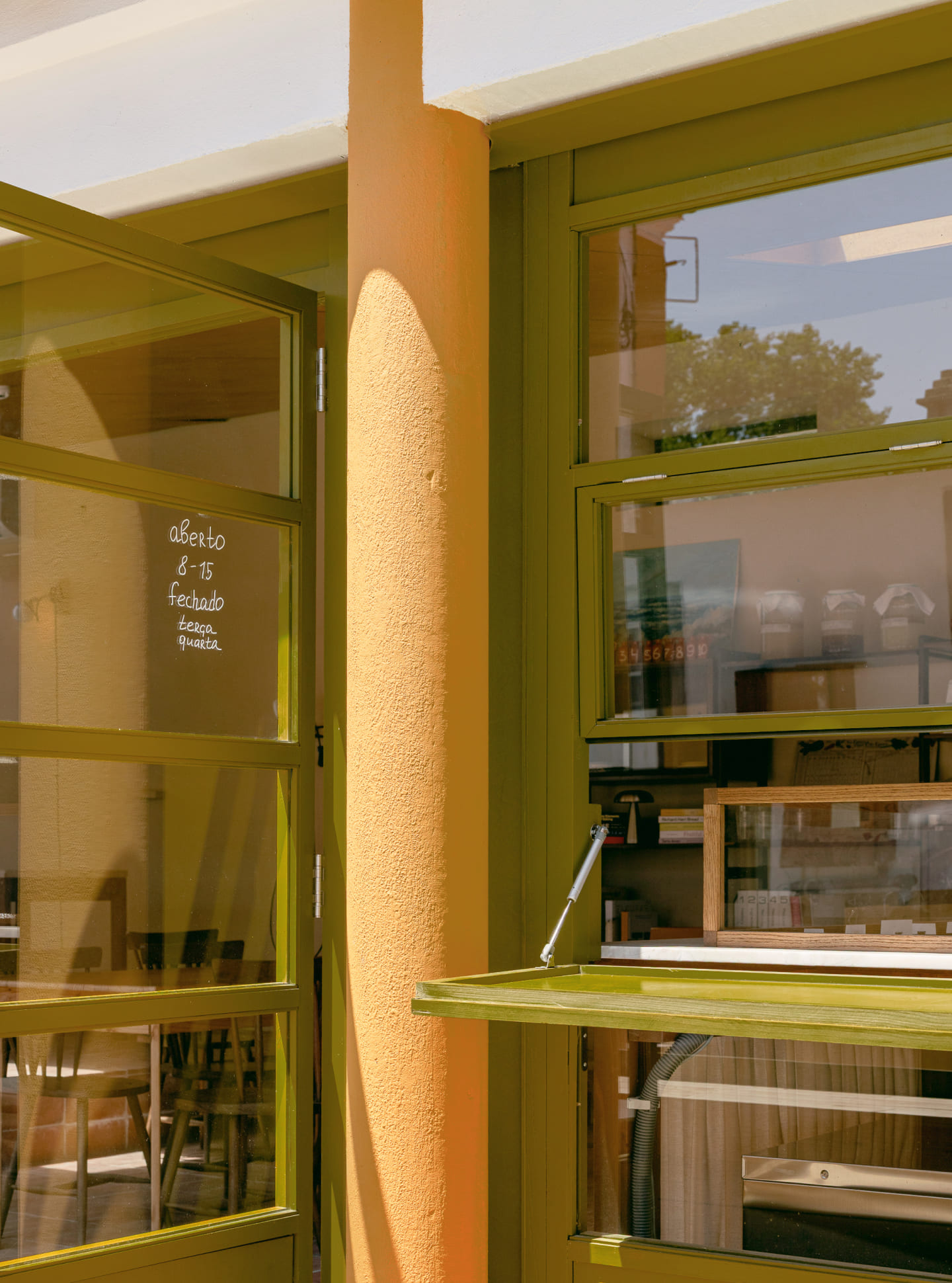
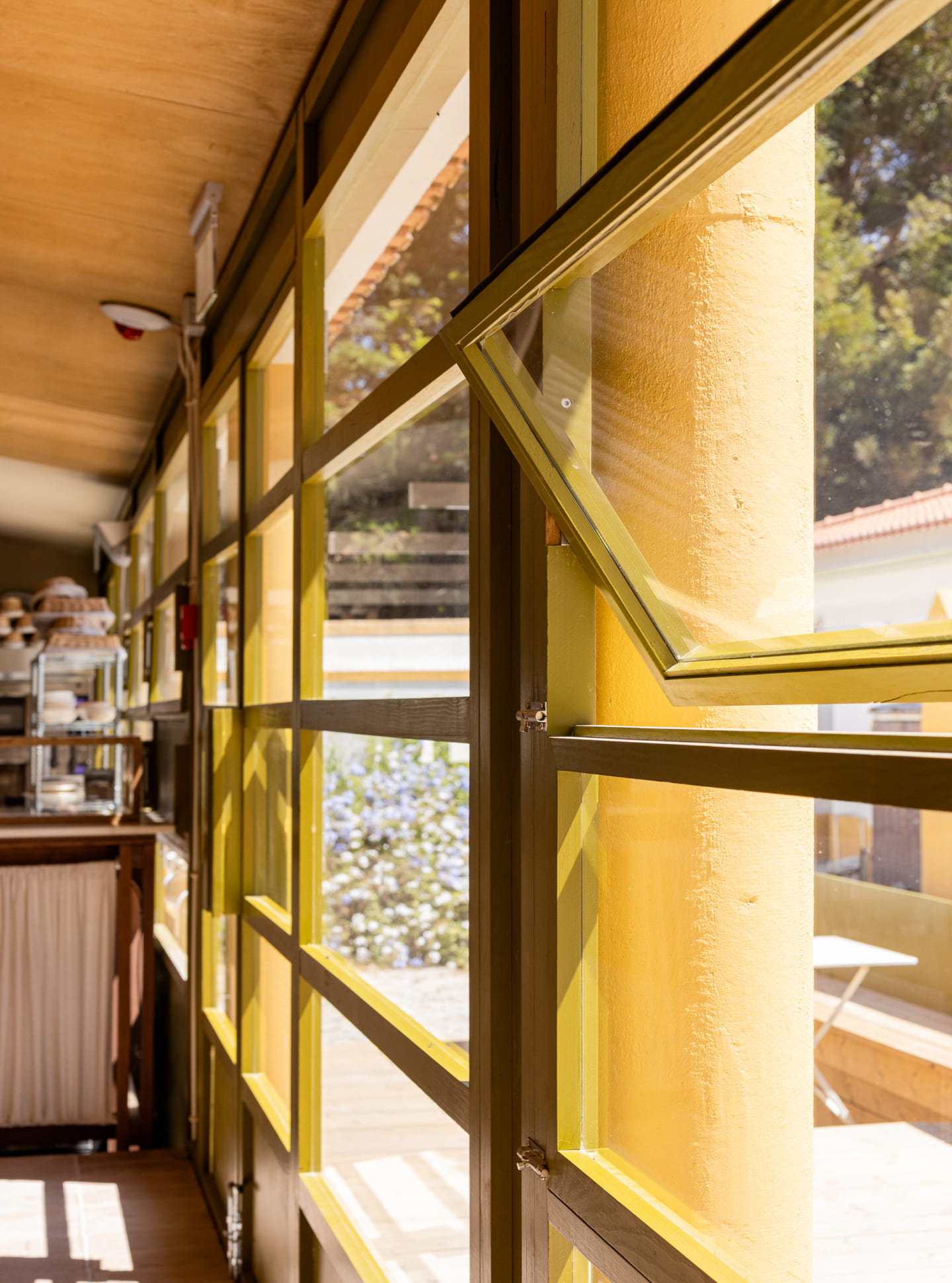
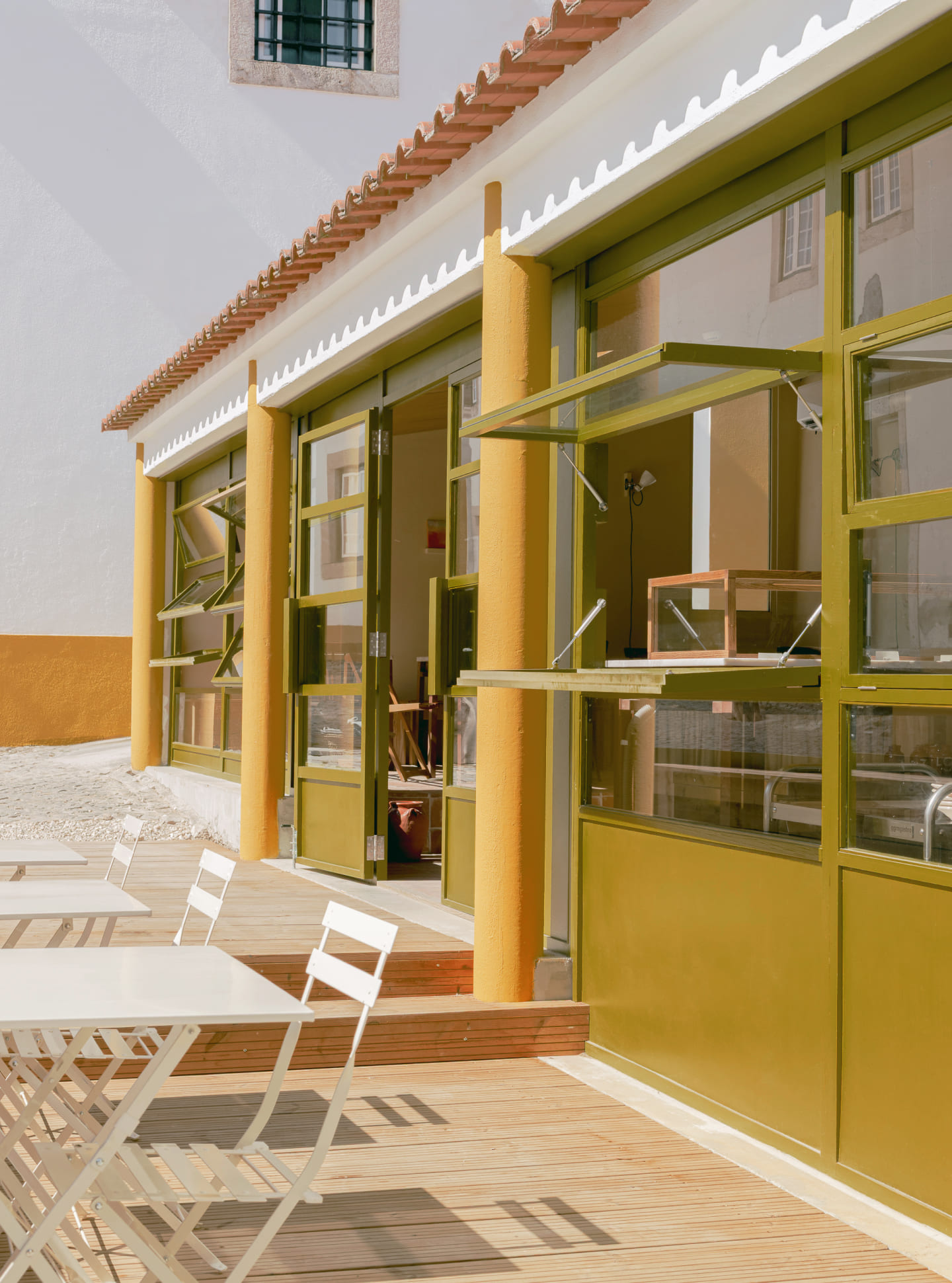
The bakery, realized as the first phase, exemplifies this approach. The new façade is realized as an independent and continuous timber structure, positioned behind the existing columns without touching them, articulating the building’s new function as something deliberately "inserted" into the old body of the structure. Its perforations offer multiple configurations of openness and closure, further articulating the independence of the new construction. The chosen palette acknowledges the quinta’s material character while asserting its contemporary identity through difference rather than mimicry. Inside, the plan is structured around an open kitchen, foregrounding the performative act of baking as both hospitality and craft.
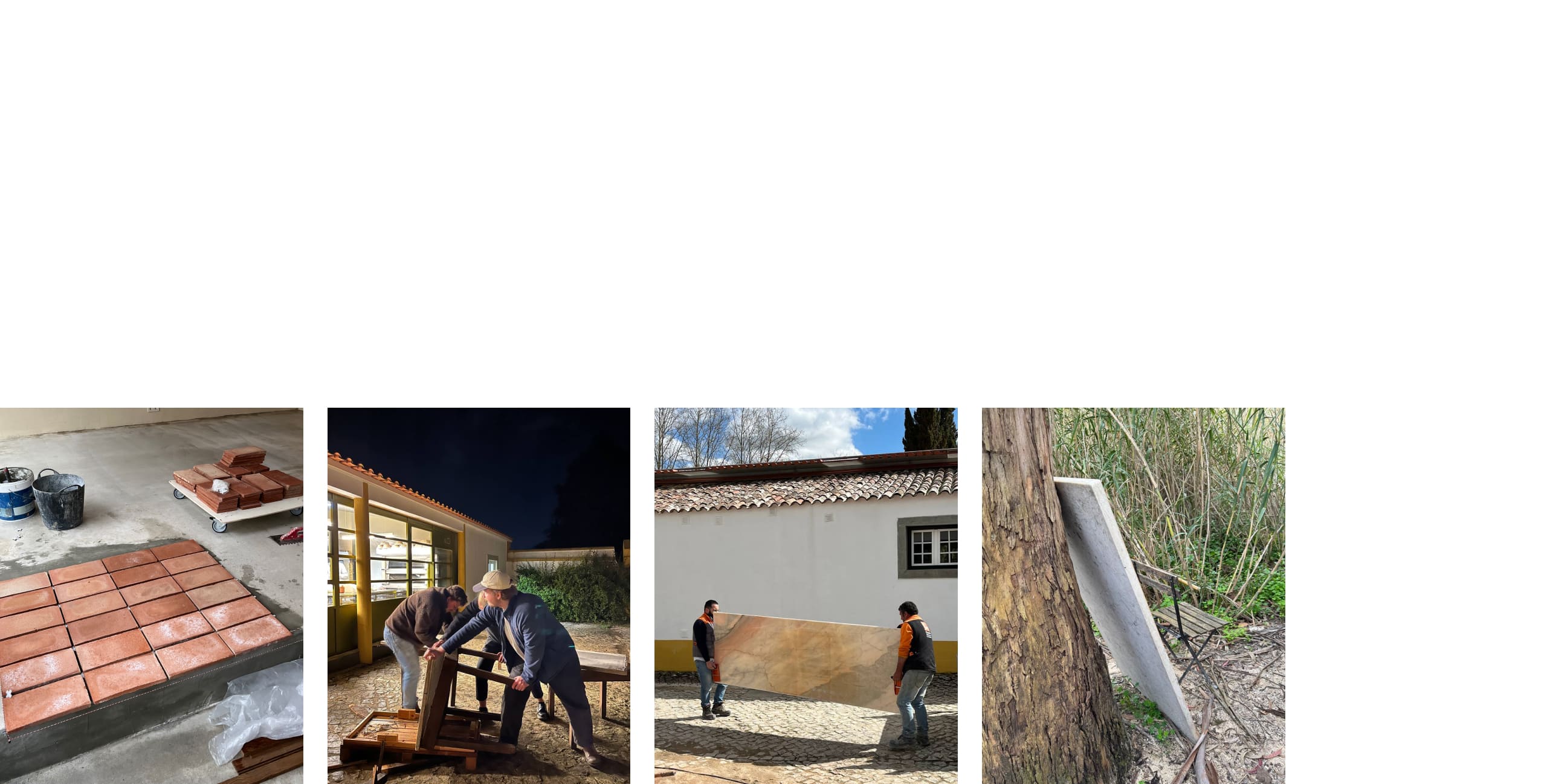
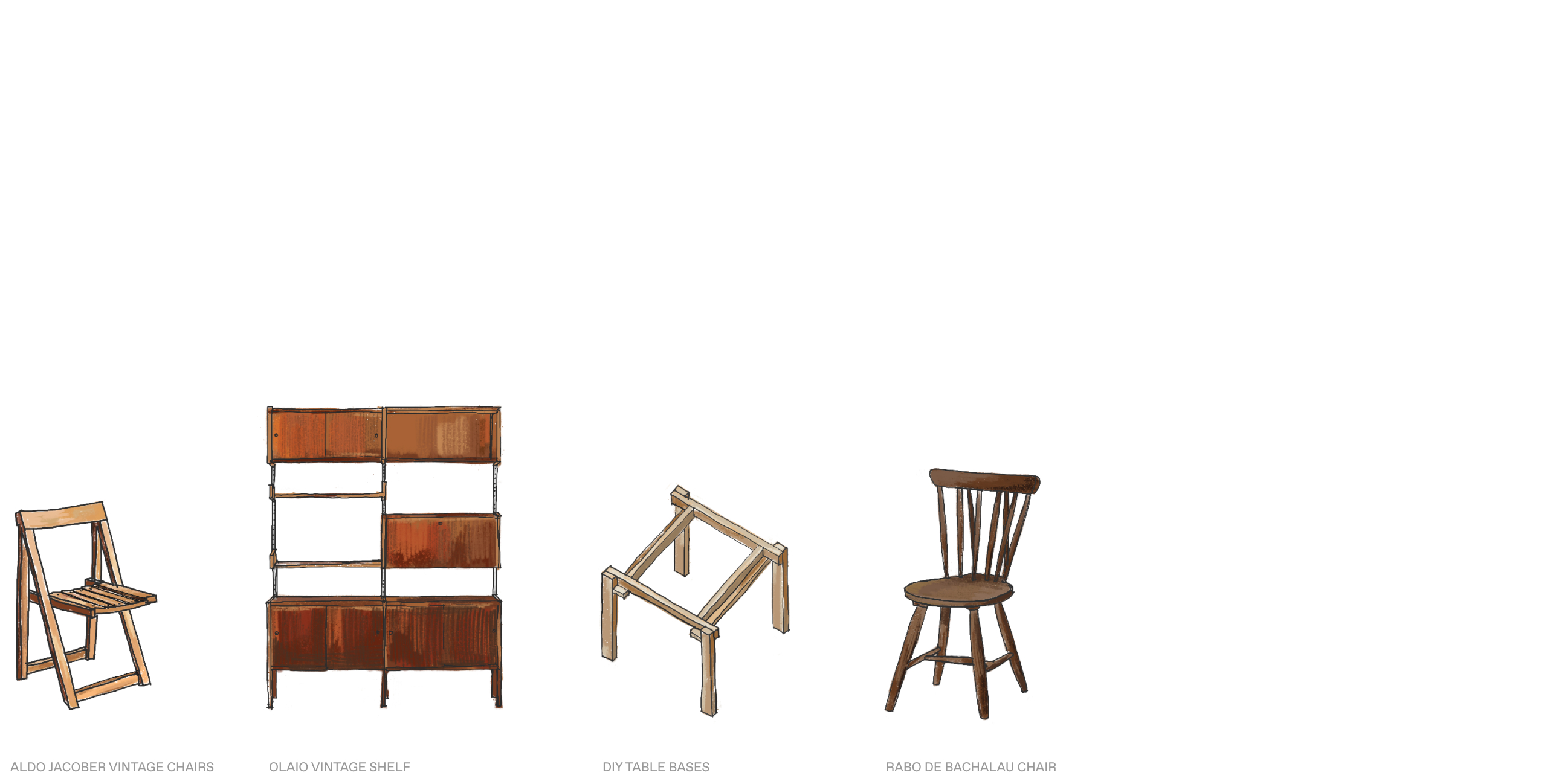
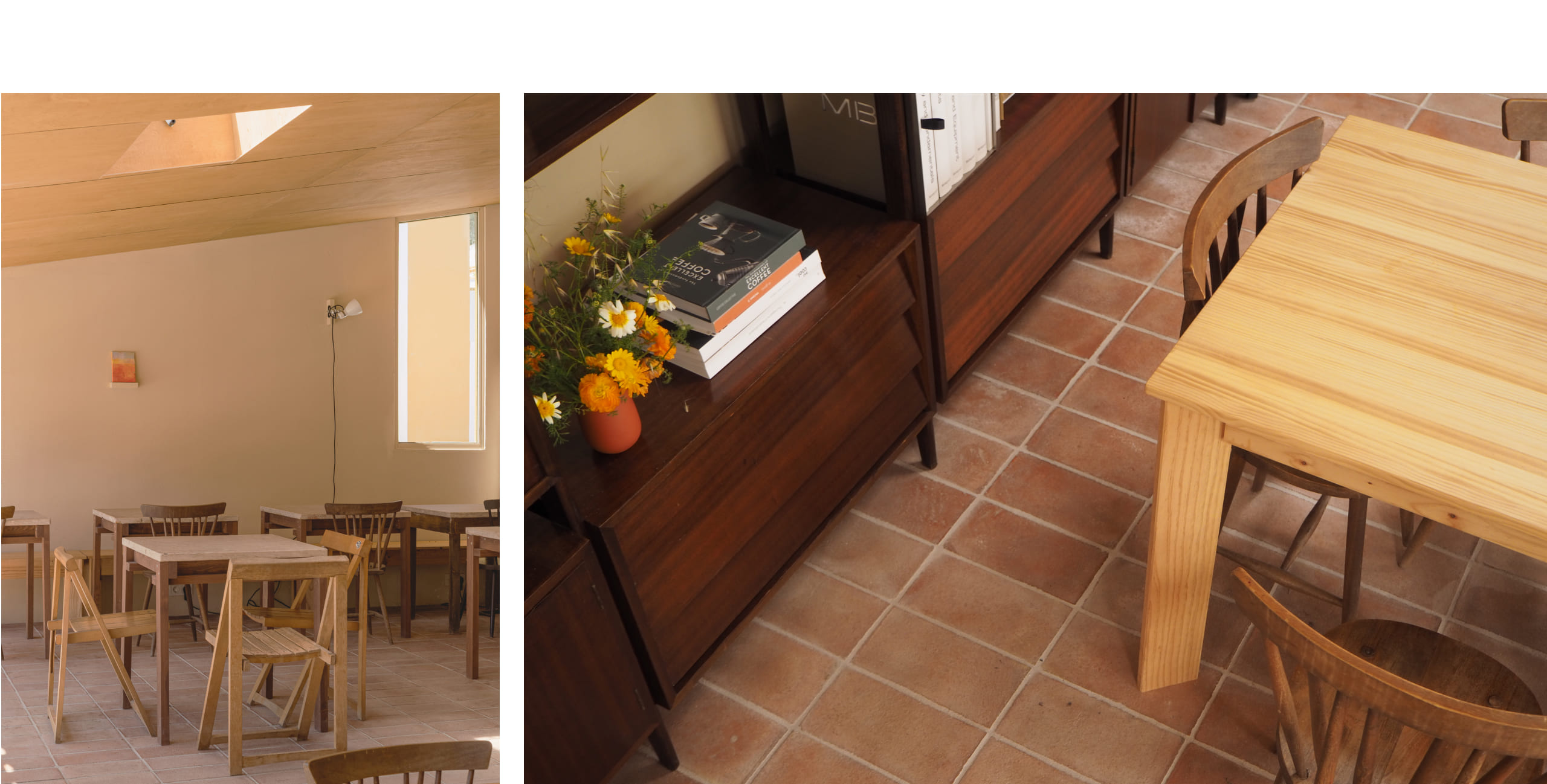
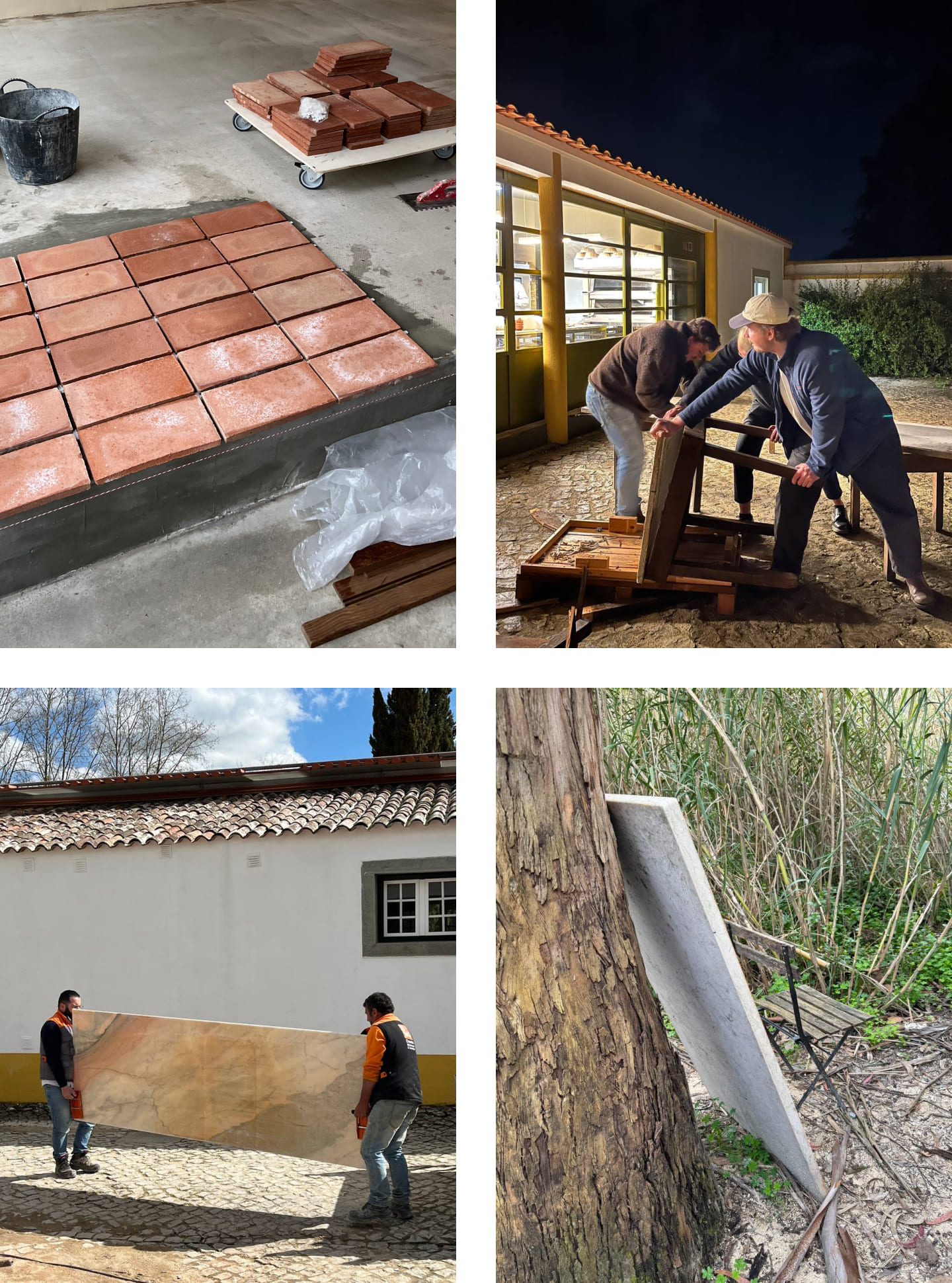
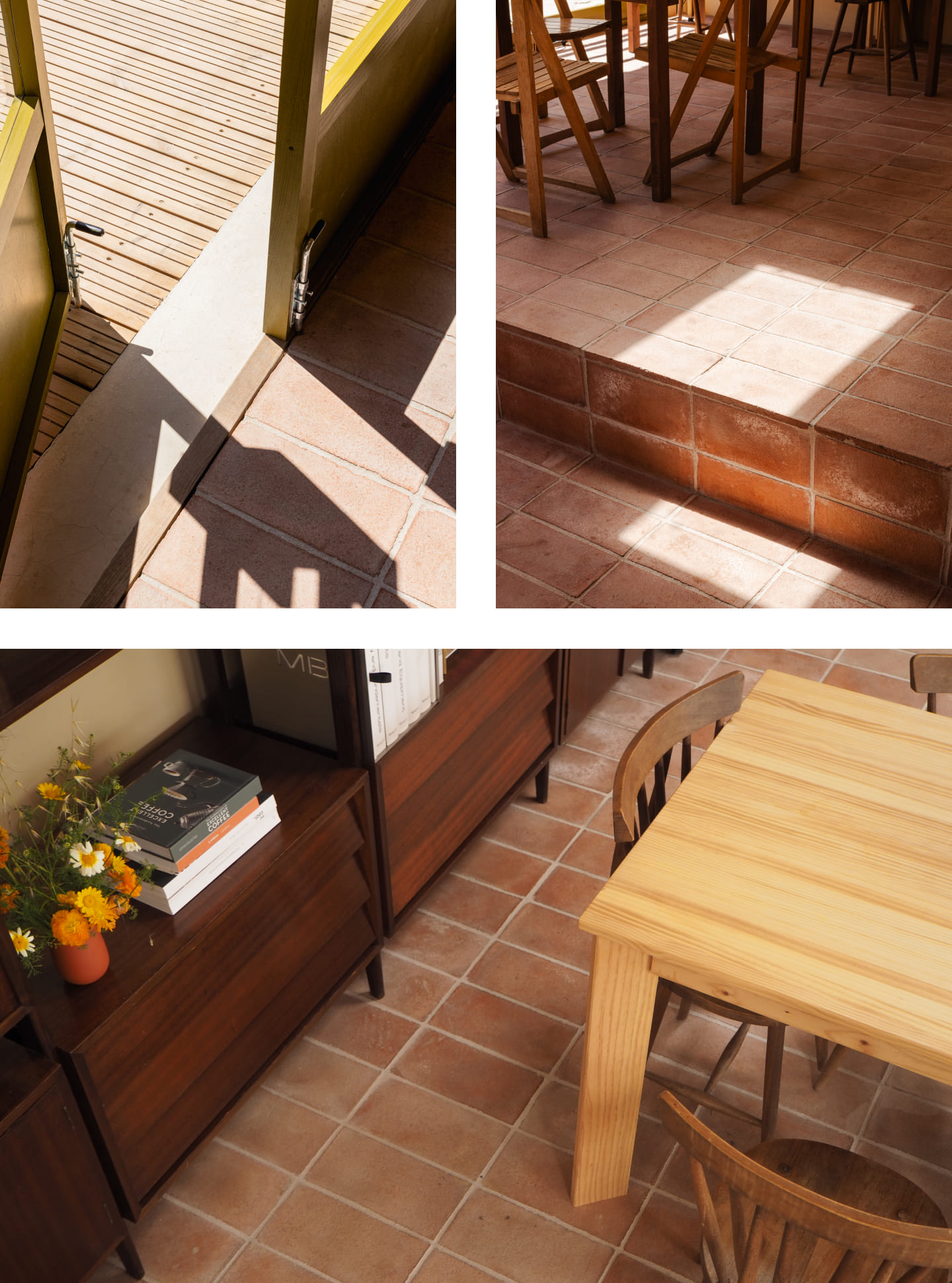
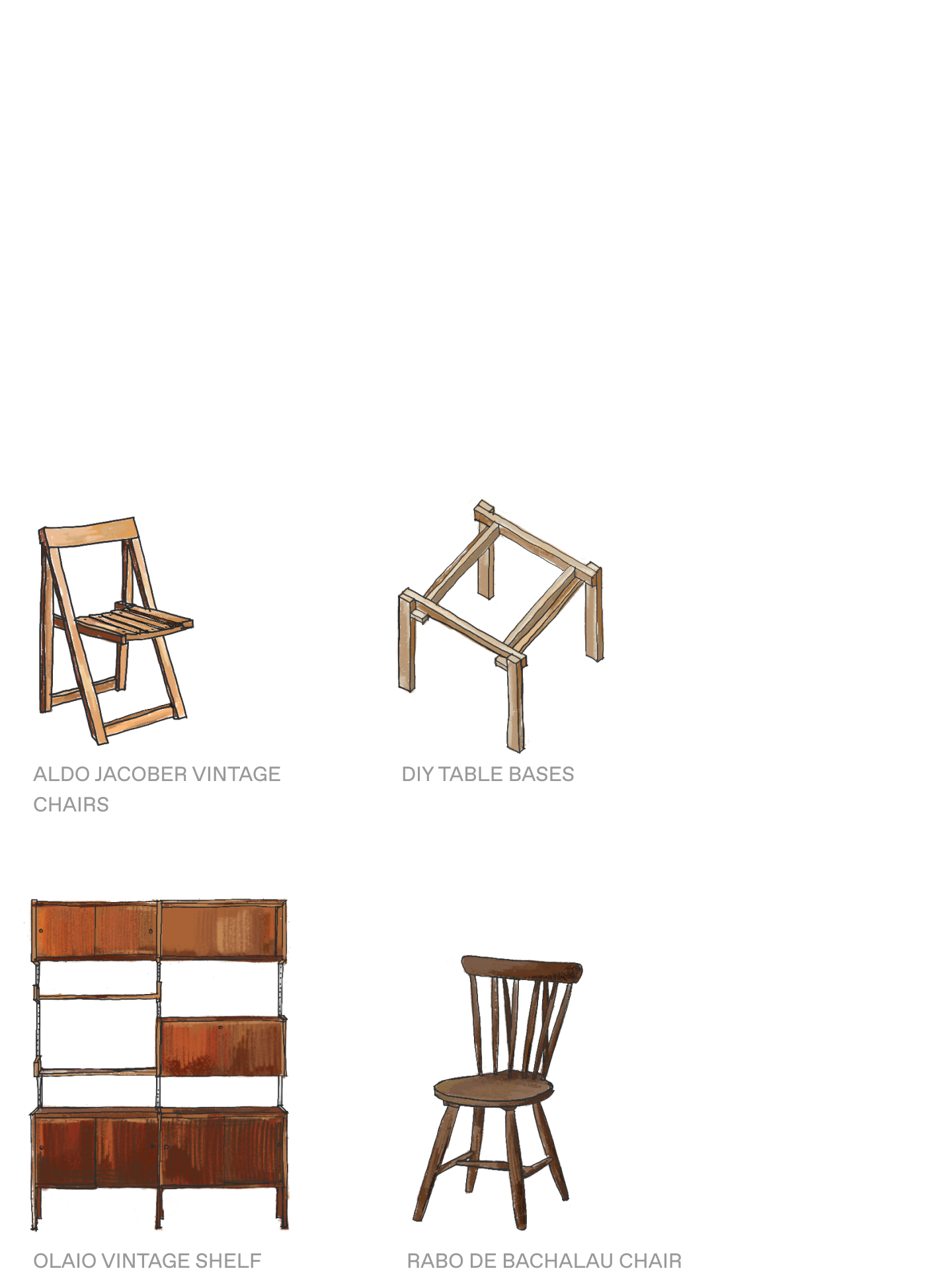
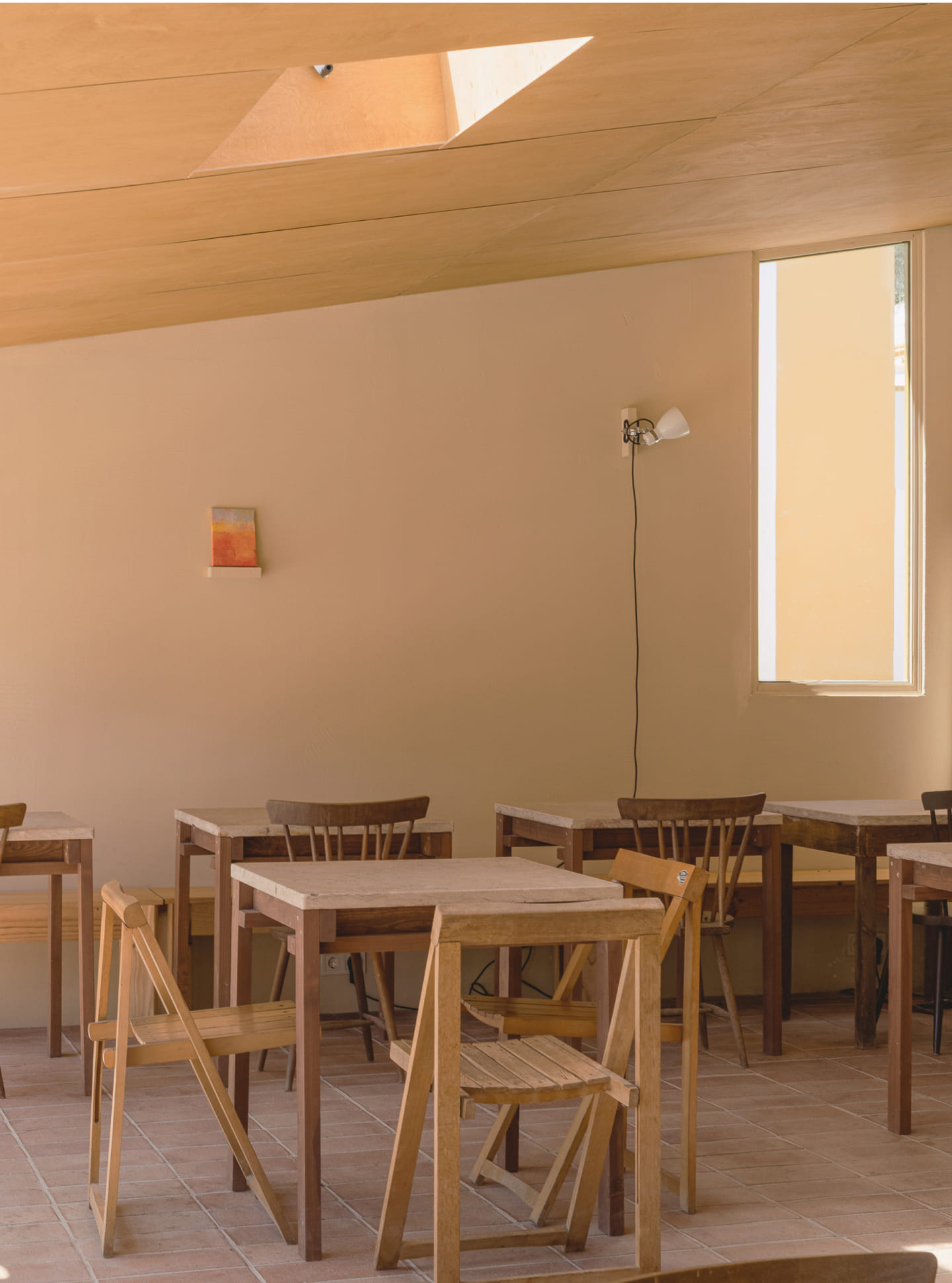
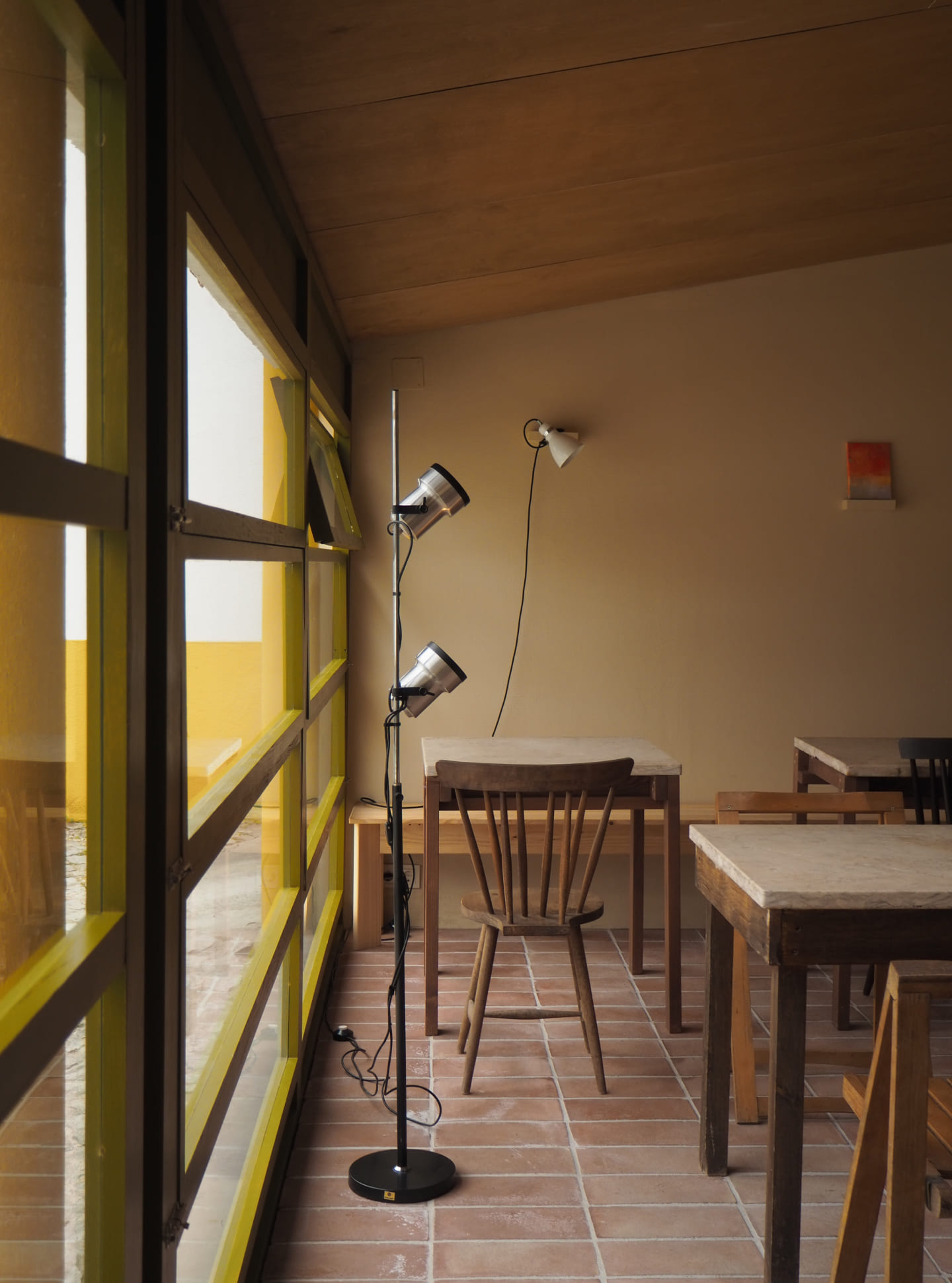
The interior articulates a dialogue between Nordic restraint and Portuguese material traditions. Handmade terracotta tiles, sourced locally, meet countertops of mármore de Luís – stone recovered from the site itself. Furniture combines disparate genealogies: existing pieces, rabo de bacalhau chairs, re-editions of Olaio’s folding designs, and a shelving unit from the same manufacturer reintroduced into daily use.
The methodology, while rooted in our Nordic background, is equally shaped by the ethos of the bakery itself: the chefs translate the language of new Nordic cuisine into a Portuguese register, working with local farm produce and wild herbs while integrating them into the rituals of fika. In the same way, our architectural assemblage translates Nordic logics of composition into Portuguese equivalents – Windsor-type chairs become Rabo de Bacalhau, iconic Scandinavian modernism finds its counterpart in Olaio’s rediscovered designs. Both in food and in space, the project affirms the autonomy and richness of Portuguese culture while situating it within a broader, global dialogue.
Adjacent to the bakery, a productive garden supplies herbs and produce for cooking, reinforcing the project’s ambition to root gastronomy in the immediate landscape. The bakery thus becomes not only a facility, but a prototype for adaptive hospitality – an instrument for testing how historic fabric, contemporary craft, and sustainable practices can be intertwined.
In this way, the project positions the quinta as a site of ongoing experimentation: a place simultaneously preserved and reimagined, where architectural intervention operates less as a finished product and more as a curated process of renewal.